Search

Atlanta Beltline
"Reconnecting neighborhoods through green infrastructure"
Other Contributors
City of Atlanta, Fulton County, Atlanta Public Schools, Invest Atlanta, Trees Atlanta
Location
Atlanta, USA
THE PROBLEM
After decades of sprawl and disinvestment, Atlanta’s rapid growth left many residents car-dependent and disconnected, reinforcing long-standing physical and racial divides.
The Big Idea
Transform a 22-mile loop of defunct railway into a green space that anchors transit, affordable housing and economic opportunity, helping Atlanta grow in a healthier, more inclusive way.
Life Changing Impact
Expanded access to walking and cycling, increased green space, supported affordable housing and strengthened local employment, benefitting residents across the city.
Ripple Effect
A global reference point for large-scale urban redevelopment and how to fight sprawl, inspiring cities to repurpose underused corridors into connected, low-carbon public infrastructure.
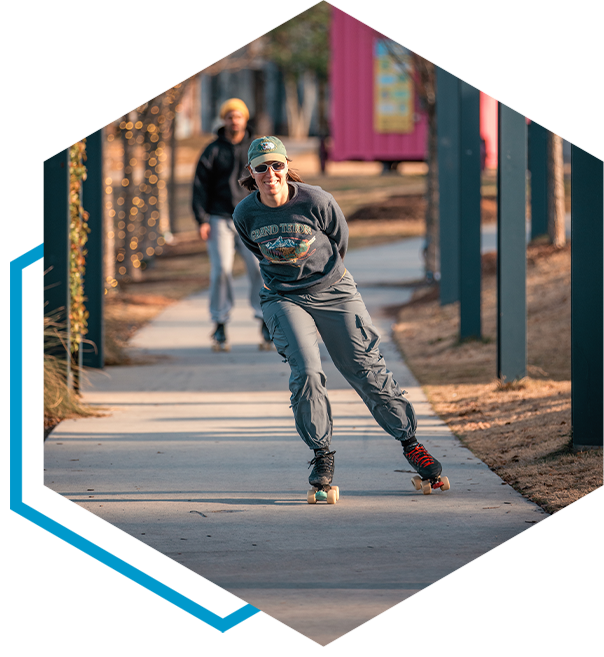
Atlanta has long been shaped by sprawl, car dependence and infrastructure that divided neighborhoods and limited access to opportunity. The Atlanta Beltline is reversing that legacy by transforming 22 miles of former rail into a connected network of trails, parks and housing — reshaping how residents move, connect and experience the city.
Originally conceived in 1999 as a graduate thesis, the Atlanta Beltline gained momentum through grassroots advocacy and was formally adopted by the City of Atlanta in 2005. Implemented by Atlanta Beltline, Inc., a quasi-public nonprofit, the project reclaims and links underused rail corridors as continuous public spaces that connect neighborhoods, jobs, schools, parks and cultural destinations.
The Atlanta Beltline addresses multiple challenges at once: limited access to green space, inequitable mobility options, lack of affordable housing and a legacy of disinvestment in historically Black neighborhoods. By stitching together fragmented areas into a continuous loop, the project creates safe, accessible routes for walking and cycling while laying the groundwork for integration with public transport. Spur trails extend these benefits deeper into surrounding communities, expanding everyday access to recreation, affordable housing, services and opportunity.
Environmental restoration is central to the Atlanta Beltline’s approach. Former industrial lands and brownfields are being transformed into parks and greenways through partnerships with organizations such as Trees Atlanta. Thousands of trees have been planted, contributing to one of the world’s longest linear arboretums, while new parks integrate stormwater management, habitat restoration and much-needed recreational space.
The Atlanta Beltline’s impact extends beyond physical infrastructure. Public art, cultural programming and community-led events animate the corridor and foster a strong sense of civic identity. At the same time, the project has had to confront unintended but foreseeable consequences, including gentrification and displacement. In response, Beltline partners have course-corrected throughout the project’s lifespan, implementing affordable housing and economic development programs to ensure the project’s growth includes everyone.
The Atlanta Beltline serves millions of people each year and stands as a global reference point for large-scale, community-centered urban redevelopment, demonstrating how cities can retrofit legacy infrastructure for low-carbon growth while supporting healthier, more connected and more inclusive urban futures.
There is no prior existing relationship between the project and WRI.
By The Numbers
22 miles of defunct railway transformed
2+ million people directly benefit each year
45 neighborhoods connected through loop and spur trails
470+ acres of new and improved green space
$9+ billion in private investment catalyzed along the corridor
29,000+ jobs supported