Search

193 SUBMISSIONS 120 CITIES 41 COUNTRIES 6 CONTINENTS
Flourish Map
https://flo.uri.sh/visualisation/1349864/embed
Tag Link
Flourish Source
visualisation/1349864
Location
Medellín, Colombia
THE PROBLEM
A drug trafficking crisis, rural-urban migration and economic decline fueled a large-scale breakdown of the rule of law in Medellín’s low-income hillside peripheries. Globally, a quarter of the world’s urban population lives in informal settlements.
The Big Idea
Use an innovative transit solution to connect institutionally neglected and geographically isolated communities with the city center, establish public institutions, and undertake public space investments.
Life Changing Impact
Reduced crime rates, cut daily travel times, dropped the costs of commuting, and attracted new businesses and investments.
Ripple Effect
Provided a powerful symbol of inclusion and integration of marginalized populations into the city and served as a model for other Latin American cities.
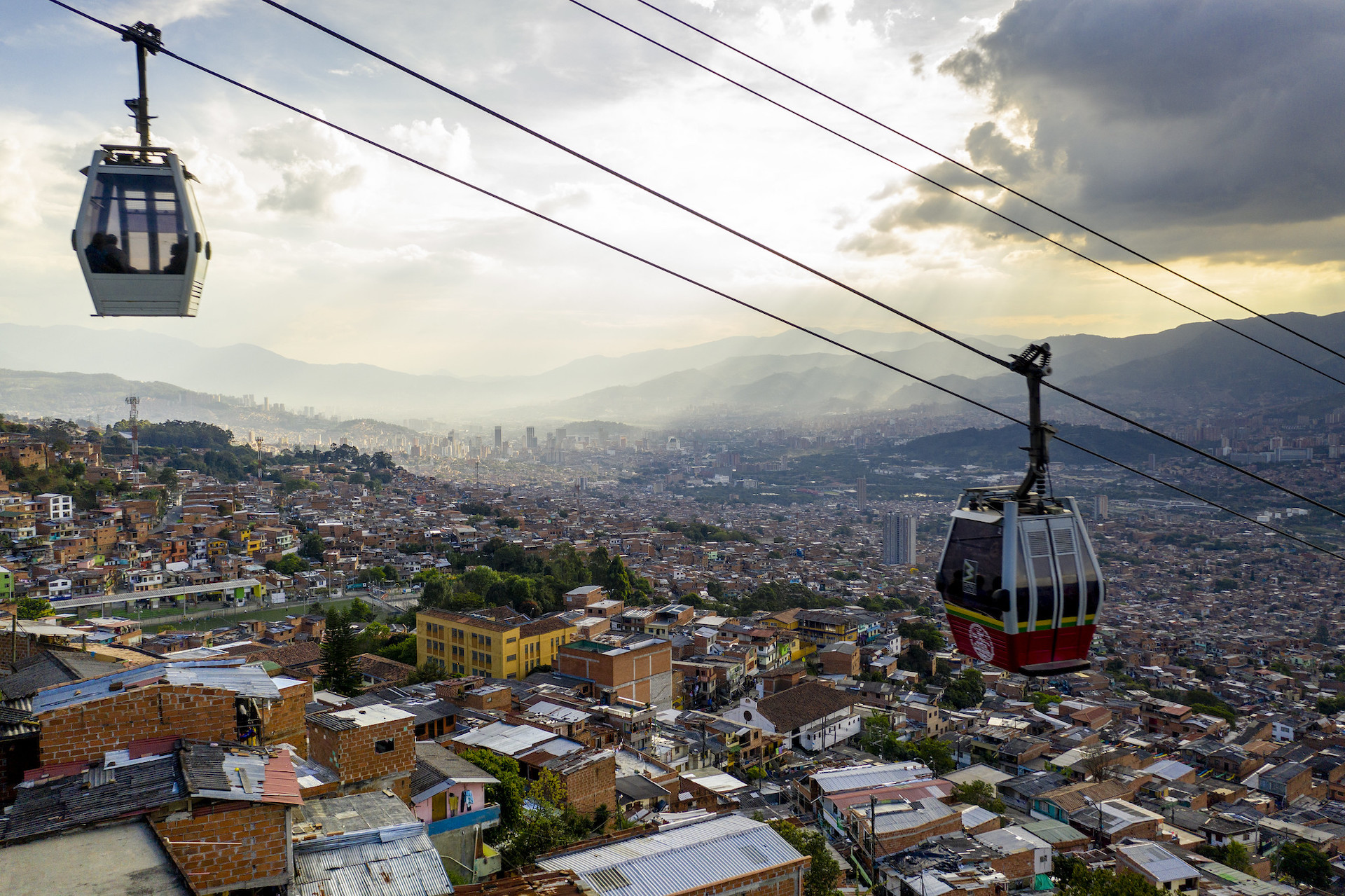
Medellín’s Metrocable is the world’s first aerial cable car fully integrated into a public transport system. Owned and operated by Metro de Medellín and supported by the Municipality of Medellín, the arrival of Metrocable’s first line, Line K, is widely seen as a key turning point in Medellín’s fortune.
Rapid industrialization propelled 20th-century Medellín into unmanaged and largely informal expansion, with settlements spreading up the slopes of the Aburra Valley. This expansion continued from the 1980s on, even as industry declined and the global drug trade stoked violence and lawlessness. By the mid-1990s, the city had reached a crisis point. Pervasive crime, heavy handed policing and disputes over land had eroded trust between residents of its hillside communities and the government.
Metro de Medellín and the municipality of Medellín first introduced the possibility of using an aerial cable car to better integrate hillside communities in a 1998 land use plan. With the election of Luis Perez as mayor in 2000, the idea of implementing Metrocable gained political momentum.
Metro de Medellín learned the importance of social outreach to build local buy-in and ownership during the construction of its initial metro rail system, which concluded in 1995. The first financial and technical pre-feasibility studies for Metrocable, in 2000, therefore provided an initial social and environmental assessment of the communities to be affected, including potential entry points for social outreach. Teams from Metro de Medellín mapped out the social fabric of neighborhoods, including how people traveled and moved, lived and associated with one another through churches and other community organizations.
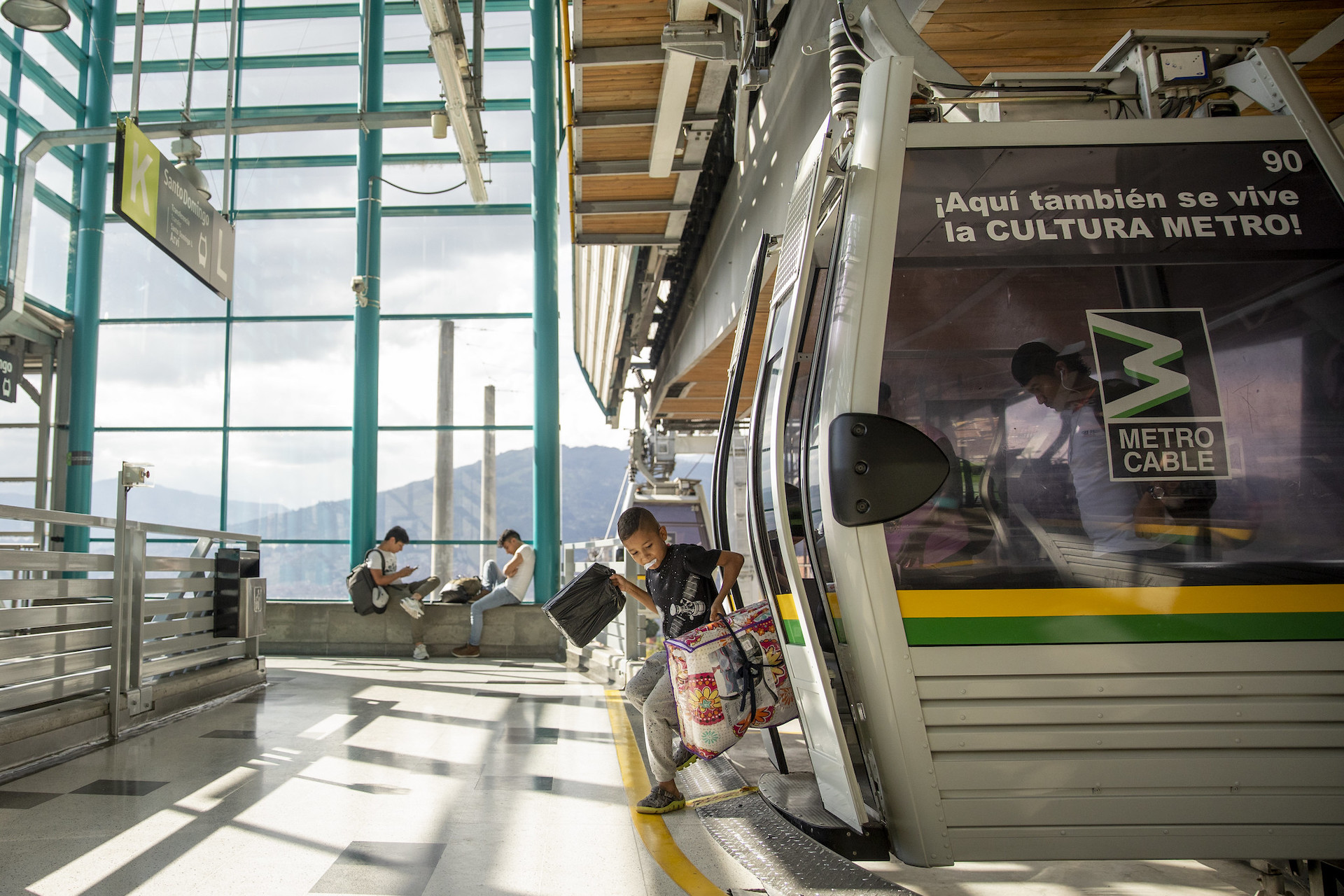
Feasibility studies were concluded with positive results and shortly after Metro de Medellín and the municipality introduced the cable car in Medellín’s Development Plan for 2001-2003, social outreach teams began building relationships and trust with local communities.
The municipality signed a cost-sharing agreement with Metro de Medellín in 2002 and awarded a public bid for construction in 2003. Metrocable launched more social programming around the project, including a short story contest and youth-targeted social activities that reached more than 3,000 children.
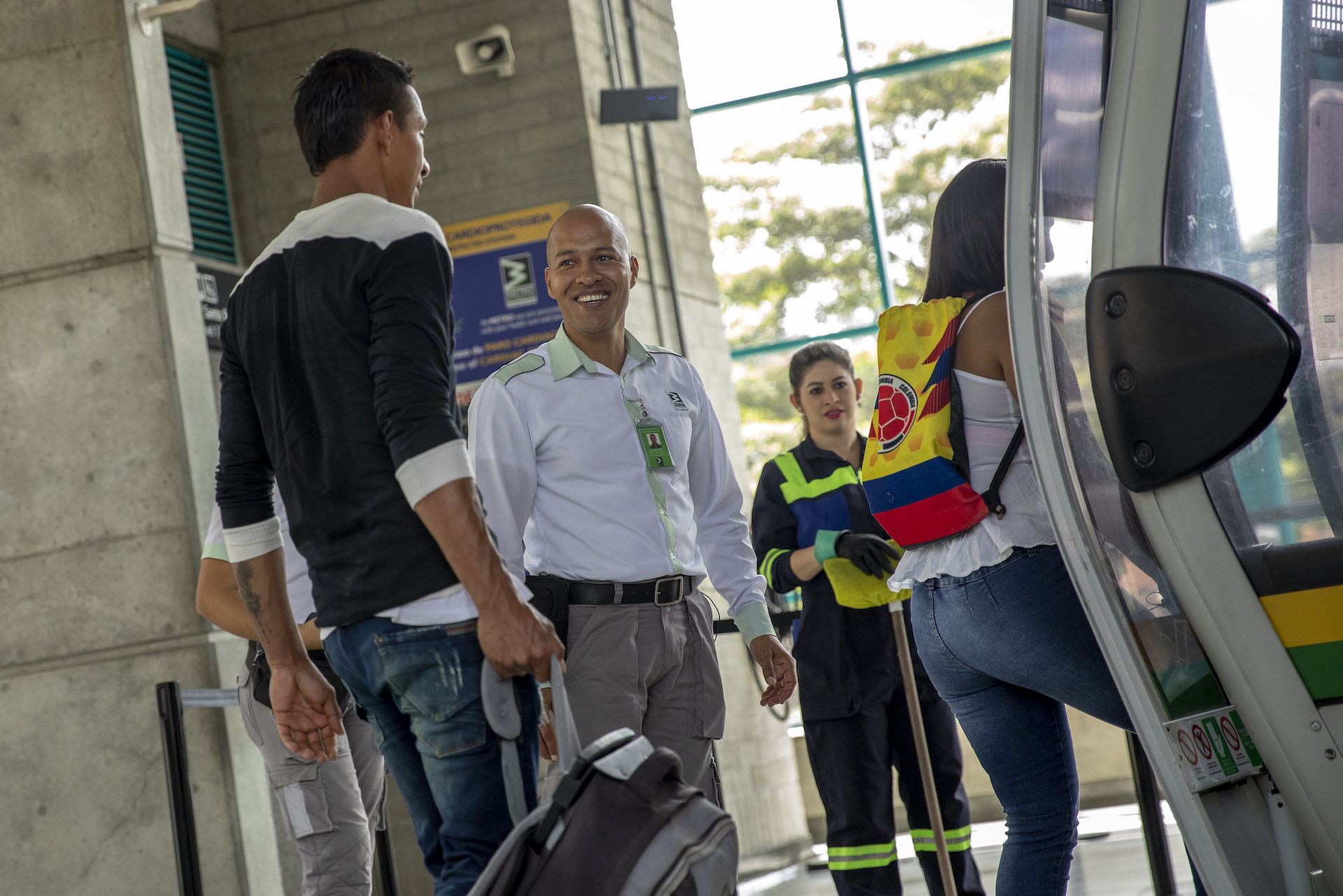
Construction of Line K progressed at a rapid pace. In order to boost acceptance, many community members were hired as construction workers and operations staff. As the launch approached in 2004, Metro de Medellín began a campaign to build a culture of Metrocable users who understood how to use the system responsibly, reaching 40,000 people.
In early 2004, the newly elected mayor, Sergio Fajardo, launched an area-based public investment project in the area where Line K was about to begin operation. The municipality invested in schools and youth recreation areas, affordable housing, business development centers, and the improvement of public spaces around station areas. This was a critical addition to cement the emerging turnaround of the hillside communities.
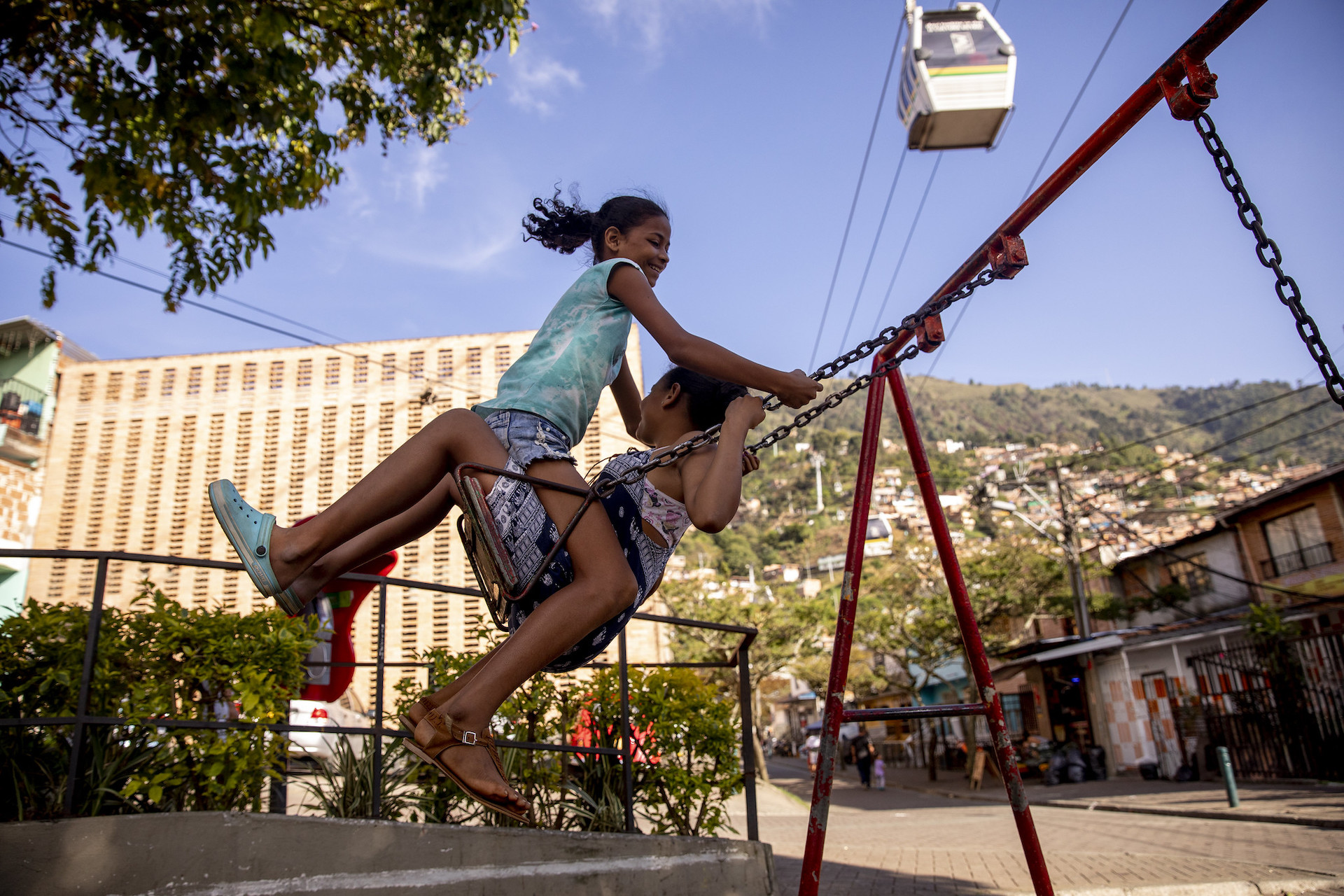
Since Line K began operations in July 2004, four additional Metrocable lines have opened, each one flanked by complementary municipal investments in public space. One more line is under construction.
By The Numbers
Line K benefits 150,000 people directly
Increased adjacent
real estate values by 50%
Prevented use of more than 1.7 million gallons of diesel fuel per year
Inspired integration of
aerial cable cars in 3 cities
2018-2019 SUBMISSIONS
193 SUBMISSIONS 120 CITIES 41 COUNTRIES 6 CONTINENTS
Other Contributors
Pune Municipal Corporation, Kagad Kach Patra Kashtakari Panchayat, SNDT Women's University Adult and Continuing Education Department, Waste Matters Consortium, Sanskriti Menon Centre for Environment Education, Ranjit Gadgil of Parisar
Location
Pune, India
THE PROBLEM
Open dumping of municipal solid waste created a growing public health crisis, while informal waste pickers & faced harassment. Approximately 30-60% of all urban solid waste in developing countries is uncollected.
The Big Idea
Turn the existing informal workforce into respected service providers to efficiently bridge a municipal service delivery gap while destigmatizing a marginalized population.
Life Changing Impact
Improved livelihoods of informal workers, quality of life for residents and municipal service delivery for the city, including to slum households that previously had none.
Ripple Effect
Provided a pro-poor alternative to centralized waste collection that has not only changed perceptions of a major marginalized population but influenced local and national policy change.
SWaCH Pune Seva Sahakari Sanstha (SWaCH) is a fully member-owned waste pickers’ cooperative that counts more than 3,500 members, most of whom are women and Dalits, formerly known as “untouchables.” The first of its kind in India, SWaCH is supported by the Pune Municipal Corporation and grew out of the local trade union for waste pickers, Kagad Kach Patra Kashtakari Panchayat (KKPKP).
Like many of India’s fast-growing, industrializing cities, Pune faced a looming public health crisis in the 1990s. Open dumping of solid waste led to unsafe conditions, pests and excessive landfilling. In 2000, following a landmark public interest case in India’s highest court, the national government mandated household waste segregation and door-to-door collection. But few cities were prepared to implement these changes. In Pune, door-to-door services covered only 7% of households.
The waste pickers of Pune, however, had an advantage. Though marginalized and frequently harassed like other waste pickers in India, they had organized into the KKPKP trade union in 1993. In 2005, with the Pune Municipal Corporation’s backing, KKPKP launched a pilot program to begin testing door-to-door collection to meet the national law’s mandate. In what would become SWaCH, 1,500 waste pickers moved out of landfills to begin providing direct services to 150,000 households a day.
The pilot was a success, sparking SWaCH’s formal establishment in 2007. SWaCH signed its first agreement with the Pune Municipal Corporation in 2008: its members would extend door-to-door solid waste collection to at least 50% of Pune, and the city would fund administrative staff time, equipment and health benefits.
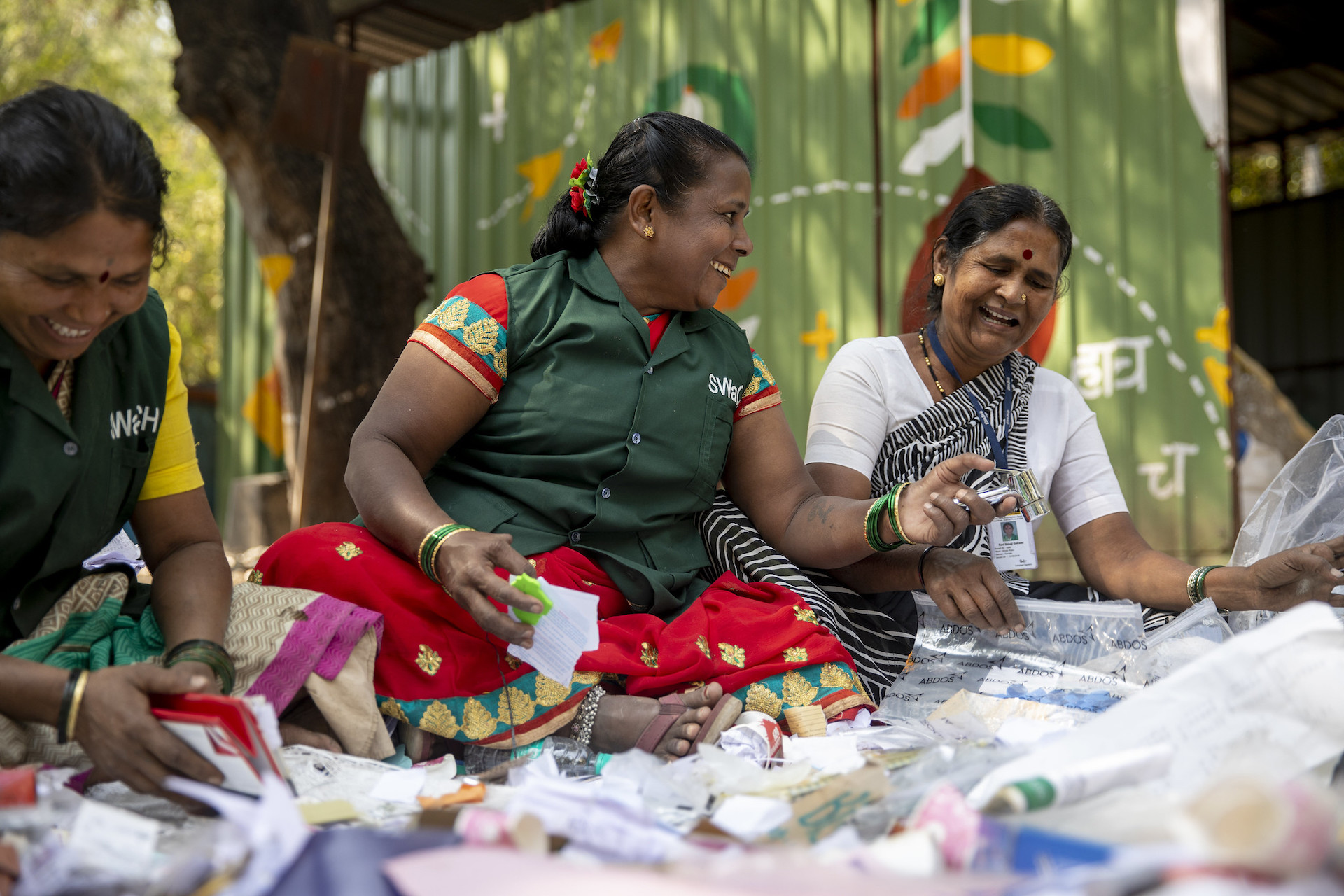
In the SWaCH model, pairs of members collect segregated waste from 150‐400 households each, transferring recyclables and wet waste to city-run collection vehicles. Members make money through user fees collected directly from household and commercial clients and by selling recyclables to scrap dealers. Residents have been surprisingly willing to pay for doorstep services – an open question at the start of the program – and have begun segregating waste before it is collected by SWaCH workers.
In 2013, SWaCH workers began operating without municipal support while negotiating with the city over delayed health benefit payments and equipment. In 2016, SWaCH and the Pune Municipal Corporation signed a second agreement. The municipality agreed to repay money owed and to provide additional equipment, health insurance and educational support. Significantly, a “slum subsidy” made it more profitable for SWaCH workers to expand coverage to households that could otherwise not afford services.
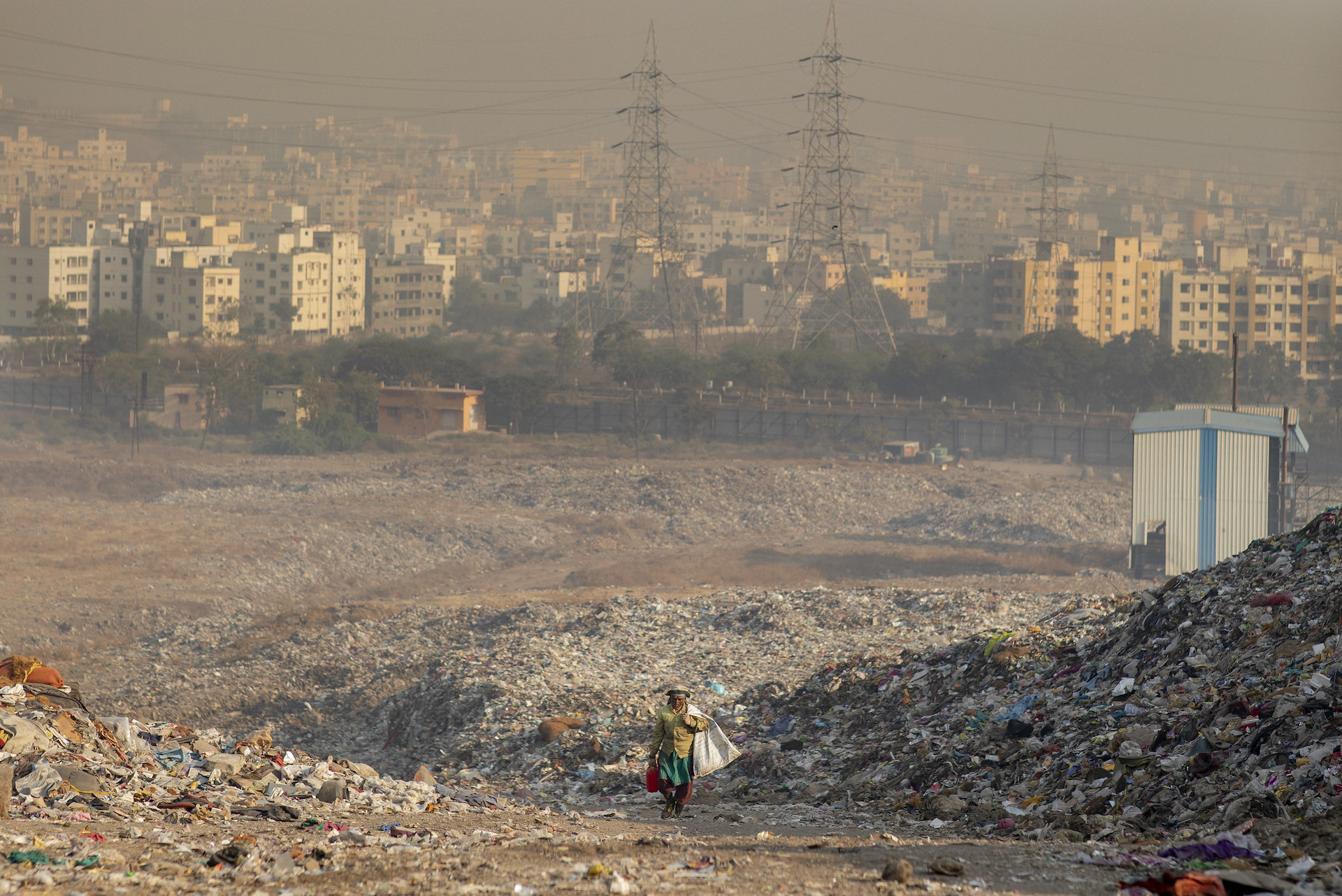
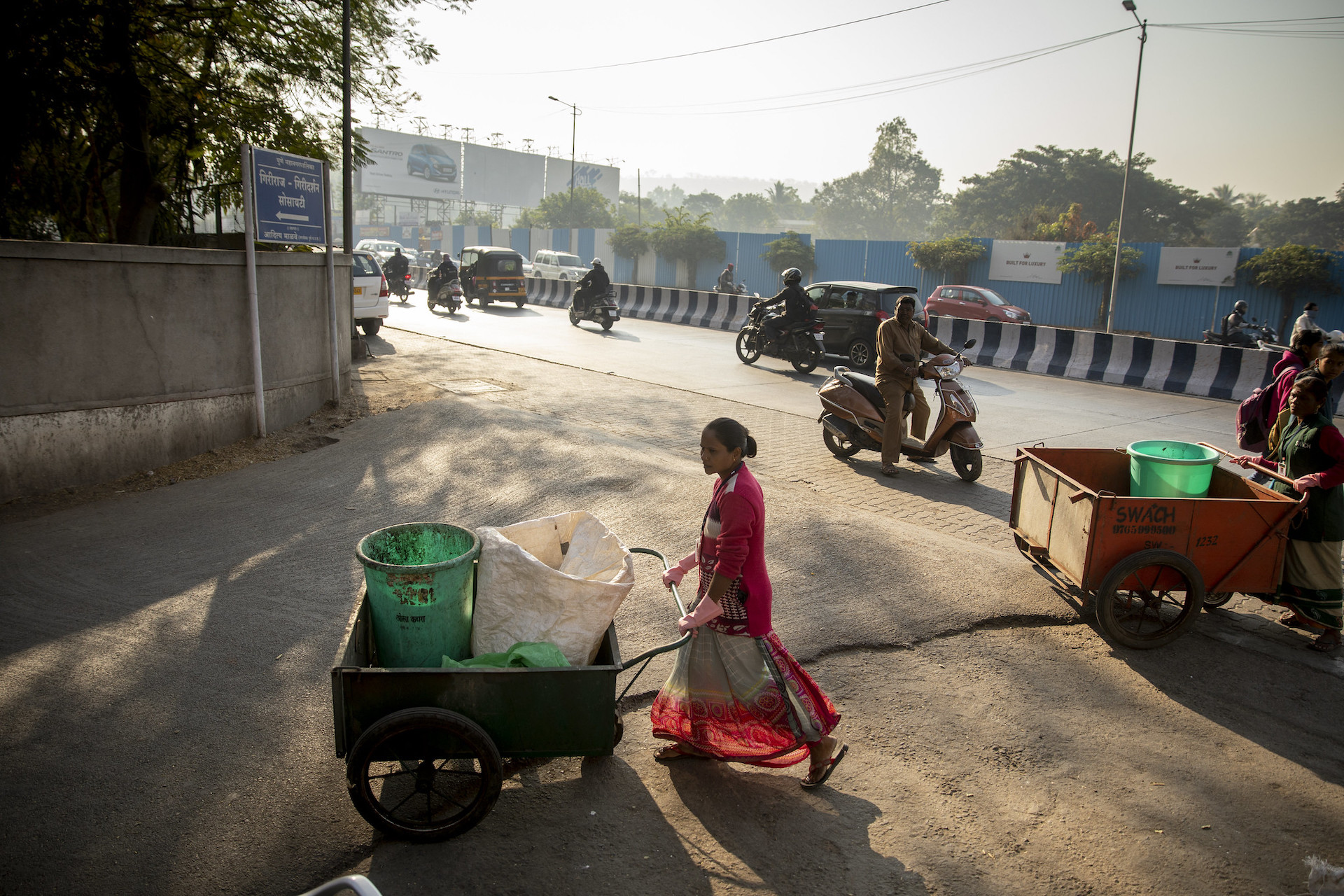
Recently, amid conversations about the future of waste management and the informal economy in India more broadly, SWaCH has diversified its services by collecting new kinds of waste, such as e-waste and old clothes, and providing value-added services, such as composting waste at the source.
SWaCH has influenced policy beyond Pune. The national government passed legislation in 2016 requiring all cities to register waste pickers, provide them with identification cards, integrate them into formal waste management systems, and include them in decision-making. Elements of the SWaCH model have been replicated in Bangalore as well.
By The Numbers
3,100+ members
Serving 2.3 million residents
Members collect $6.8 million in user fees annually
Members recycle 50 million kilograms of waste daily
2018-2019 SUBMISSIONS
193 SUBMISSIONS 120 CITIES 41 COUNTRIES 6 CONTINENTS
Other Contributors
Thekwini Municipality
Location
Durban, South Africa
THE PROBLEM
Durban’s public transit node and market was a congested, crime-ridden and neglected no-go zone following years of disinvestment and marginalization of informal workers. Informal workers represent 50-80% of urban employment globally.
The Big Idea
Use inclusive urban design, legal advocacy and community empowerment to bring together local public institutions and informal traders’ associations in the co-creation of safe and accessible public spaces.
Life Changing Impact
Improved the livelihoods and capacities of informal workers and created a city that is more responsive to its residents and businesses – formal and informal.
Ripple Effect
Empowered informal workers, legitimized street trading and influenced other cities where street markets and public spaces are a backbone of local commerce.
Each day, nearly half a million people flow through Warwick Junction, a central transit hub in inner-city Durban. Wedged between the train station, taxi ranks and three major roadways, nine historic markets offer commuters and shoppers wares ranging from fresh produce and prepared food to medicines, music and textiles.
Asiye eTafuleni (AeT), whose name translates from Zulu to “bring it to the table,” has been bridging the gap between informal workers and the eThekwini Municipality, which covers Durban, for over a decade. By combining research, advocacy, outreach and leadership training, it has improved public space in Warwick Junction and helped the markets survive threats of redevelopment.
Under apartheid planning, Warwick Junction was the black entrance to an all-white city. It was intentionally designed to discourage free-flowing movement and black informal traders faced harassment and displacement. From 1997-2000, AeT’s co-founders, Richard Dobson and Patric Ndlovu were involved as leading figures in the city’s Warwick Junction Urban Renewal Project. The project pioneered a new approach to managing the area that was a radical shift from previous tactics grounded in heavy policing. Working across municipal departments and involving informal workers, the city began investing in infrastructure upgrades in key parts of the hub. It set up a project office in the heart of the markets that also served as a space for traders to hold meetings among themselves and with municipal staff.
But by 2008, Dobson and Ndlovu saw a declining commitment by the municipality to continue the inclusive approach they had developed. They left government and founded AeT. Their first test came in late 2008, when the municipality announced its intention to replace one of Warwick Junction’s markets, the Early Morning Market, with a shopping mall in preparation for the 2010 World Cup. AeT supported informal worker protests in response. After months of traumatic and sometimes violent clashes to dislodge traders, as well as legal challenges by the Legal Resources Centre, supported by AeT, the municipality withdrew its plans. Losing the Early Morning Market would have affected thousands of livelihoods and the resistance effort took a significant toll on businesses as well.
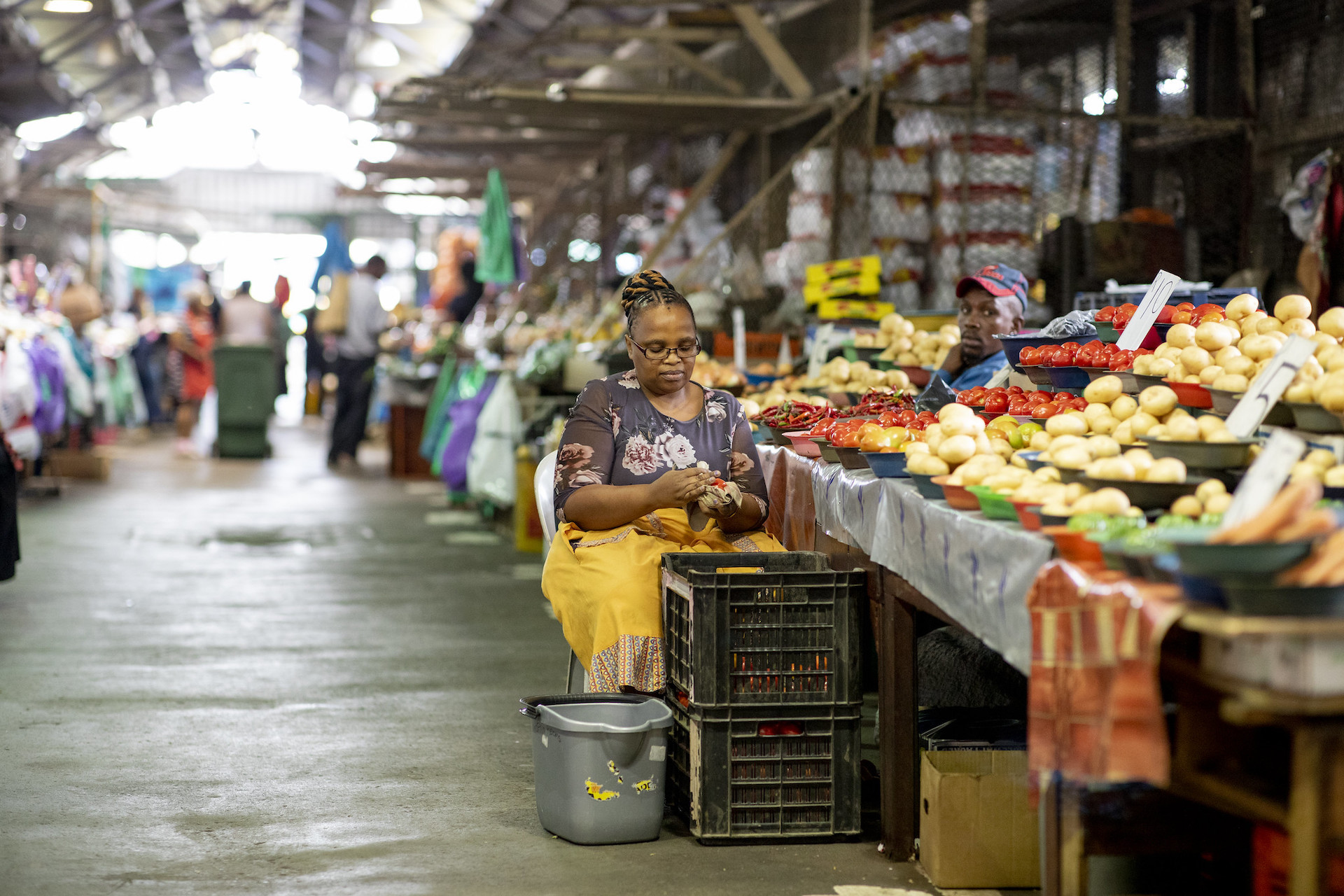
After the successful resistance, AeT worked to bridge the gap between the local authority and informal workers, adapting their working style to meet the changing realities of the area and city administrations. Much of the work centered around facilitating collaborative redesigns of the area’s infrastructure, from new roofing and safer cooking areas to public toilets and First Aid and recycling stations. AeT also initiated community empowerment projects to help traders advocate for their rights and participate in municipal decision-making processes.
As the World Cup approached, AeT launched “Markets of Warwick” tours, led by traders, to welcome tourists into the area as well as locals. Partnerships with international organizations and universities also contributed to destigmatizing Warwick and spreading lessons learned.
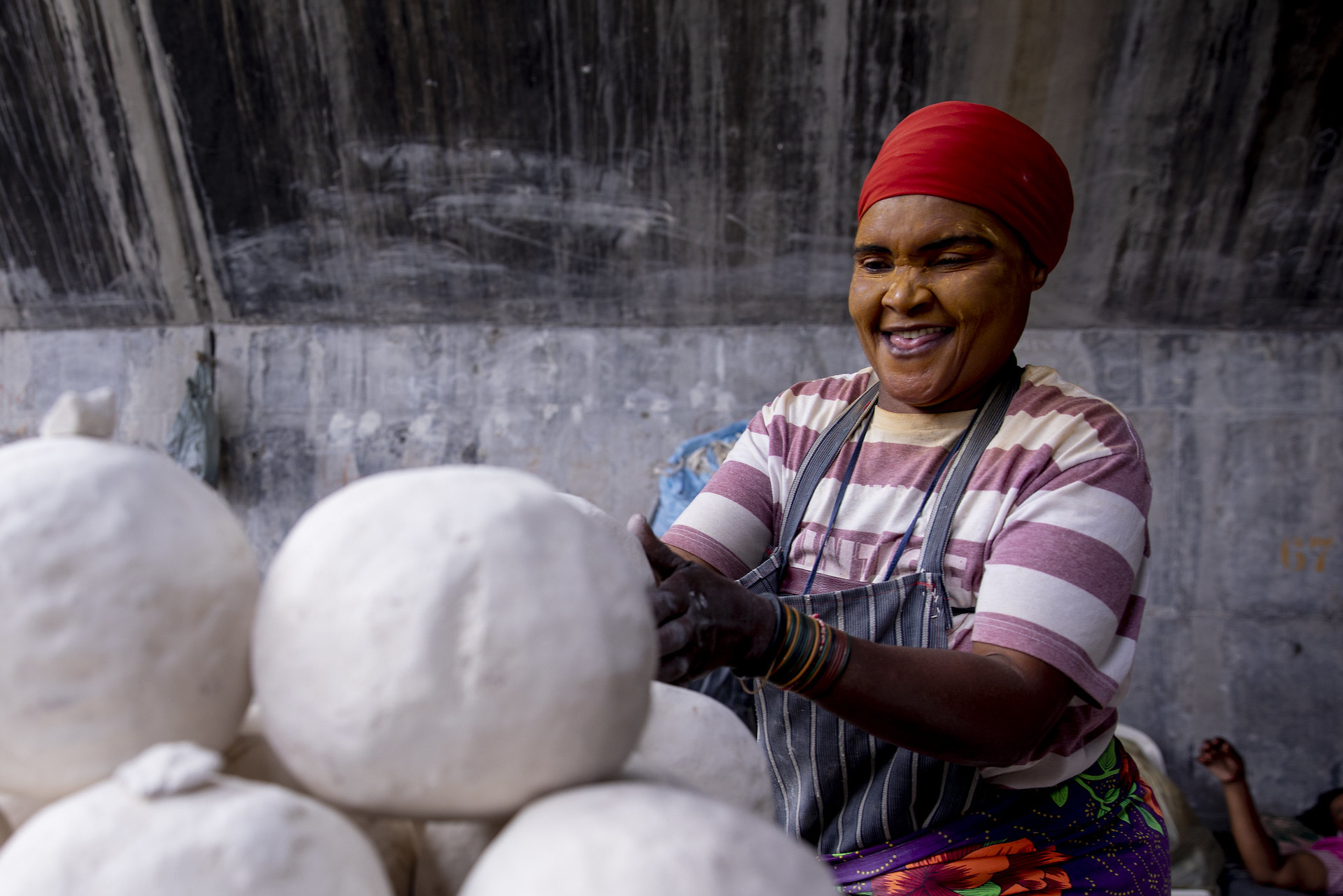
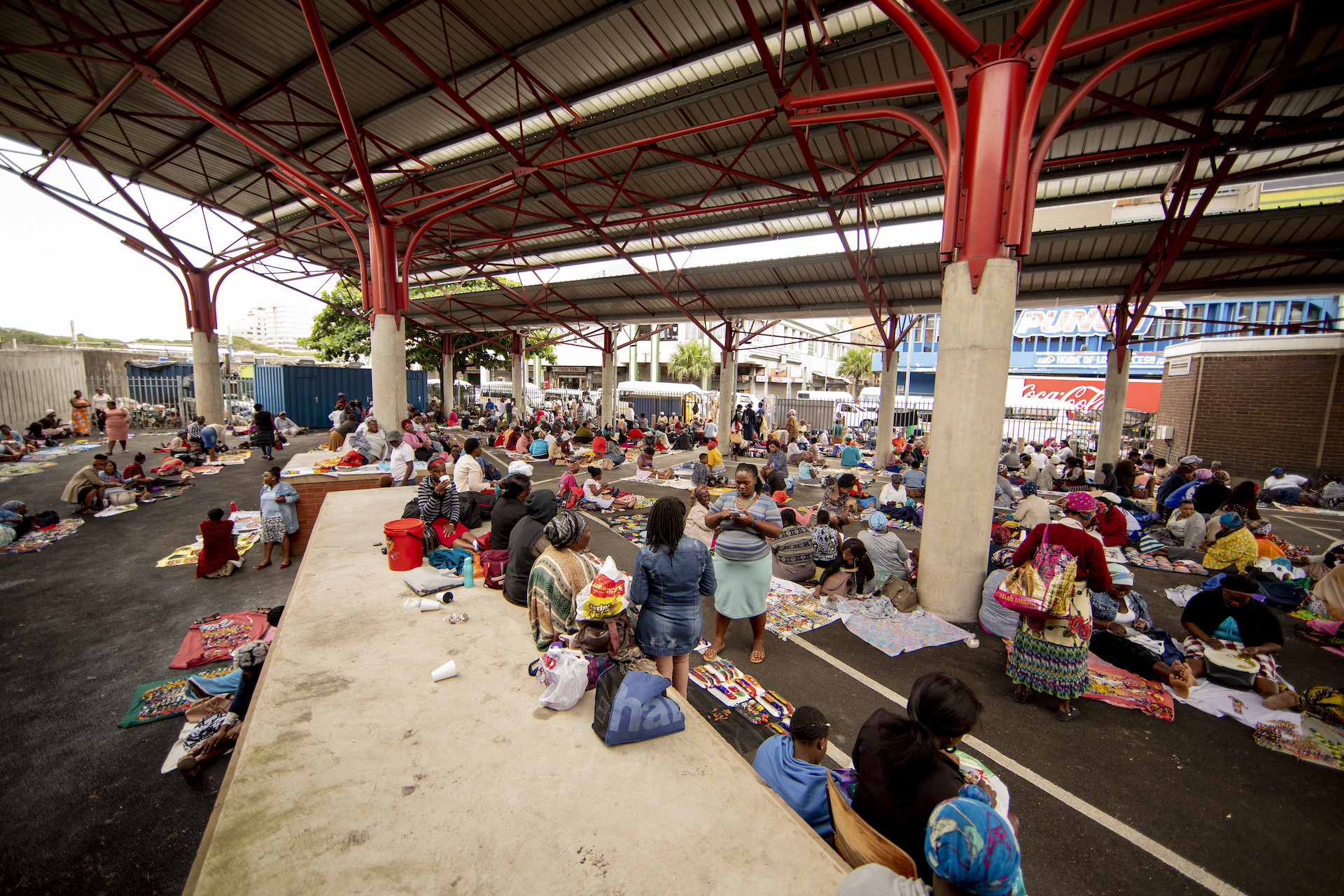
Challenging and influencing the municipality’s public space policies has been another central part of AeT’s work. Since 2009, a partnership with the Legal Resources Centre has allowed AeT to provide workers with pro-bono legal expertise and representation. In response to a joint suit filed by both organizations, the Durban High Court ruled in 2014 that impounding the goods of informal traders is unconstitutional, setting a landmark legal precedent that effectively legitimized vendors’ activities in Warwick Junction.
By The Numbers
Durban has approved 8 projects proposed by informal workers
Efforts have directly affected 6,000-9,000 daily traders plus their families
450,000+ people pass through the market daily
30 tons of cardboard recycled daily
2018-2019 SUBMISSIONS
193 SUBMISSIONS 120 CITIES 41 COUNTRIES 6 CONTINENTS
Location
Eskişehir, Turkey
THE PROBLEM
Congestion and pollution reached a breaking point, punctuated by natural disaster and post-industrial economic decline. Many cities worldwide struggle with declining industrial activity, including job loss, population shrinkage and declining livability.
The Big Idea
Leverage natural and intellectual resources to redefine the city’s narrative through interwoven investments in natural, physical and cultural infrastructure.
Life Changing Impact
Improved disaster resilience and access to economic opportunity and leisure for all residents, while significantly boosting local businesses.
Ripple Effect
Catalytic investments unlocked a virtuous cycle, changing residents’ and visitors’ perception of the city as a modern and bustling university town.
The Eskişehir Urban Development Project is a three-part investment package spearheaded by the Eskişehir Metropolitan Municipality. It is widely regarded as the catalyst for a citywide turnaround. Taking as an entry point accessibility for users with special needs, the elderly and young families, it’s improved quality of life for a remarkable cross-section of the city.
A 20th-century industrial boom and rapid population growth drove Eskişehir into unmanaged expansion and traffic congestion. Industrial and domestic waste had turned its main waterway, the Porsuk River, into a foul-smelling, frequently flooding open sewer in the 1990s. By the time a 7.8 magnitude earthquake struck in 1999, industrial activity in Eskişehir had declined and left a city choked with environmental damage and vehicle traffic, with low quality of life and few prospects for change. The earthquake, which killed 37 people and caused extensive damage across the city, also exposed alarming decay of critical infrastructure, particularly the Porsuk’s pedestrian and vehicle bridges.
Newly elected Mayor Yılmaz Büyükerşen seized this moment to rally the community around a new vision for Eskişehir. Through consultations with local universities, civil society groups, NGOs, elected officials, industry representatives and others, the administration identified key priorities and pursued an integrated program of redevelopment to rehabilitate the Porsuk River, implement a light rail system, and fix the city’s wastewater infrastructure.
In 2001, despite an economic crisis in Turkey, the Eskişehir municipality managed to secure financing from the European Investment Bank, the Nordic Investment Bank and the Dutch bank ABN AMRO. The mayor and his appointees formed a project delivery unit of technical, financial, engineering and accounting professionals who liaised between the municipality, the water and sewage administration, and the European Investment Bank.
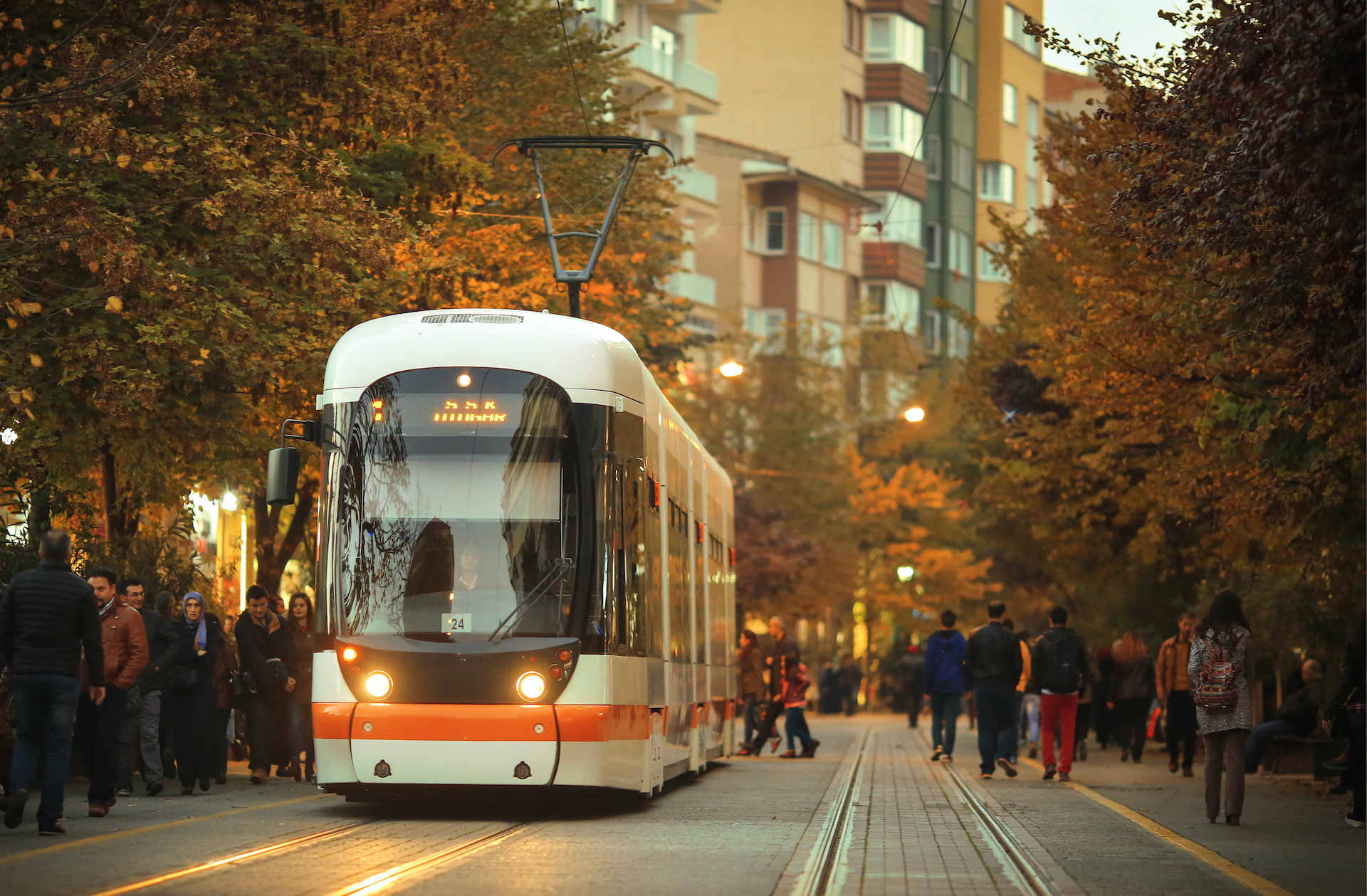
They wasted no time getting to work. It took less than two years to construct the first line of Eskişehir’s light rail system, EsTram. The municipality also pedestrianized two streets in the city center and improved access for users with special needs, the elderly, and young families via sidewalk and bridge redesigns and at-level boarding stations for the tram. Although both pedestrianization and the tram faced initial opposition by many residents, popular opinion quickly shifted after implementation. Subsequent extensions of both projects were driven by popular demand.
By 2009, the municipality had stabilized, renovated and strengthened the Porsuk riverbed, its irrigation canals, and pedestrian and vehicle bridges. After draining the river of toxic mud and debris, flood locks were installed to improve resilience to heavy rains. New sewage channels were set apart from the main river.
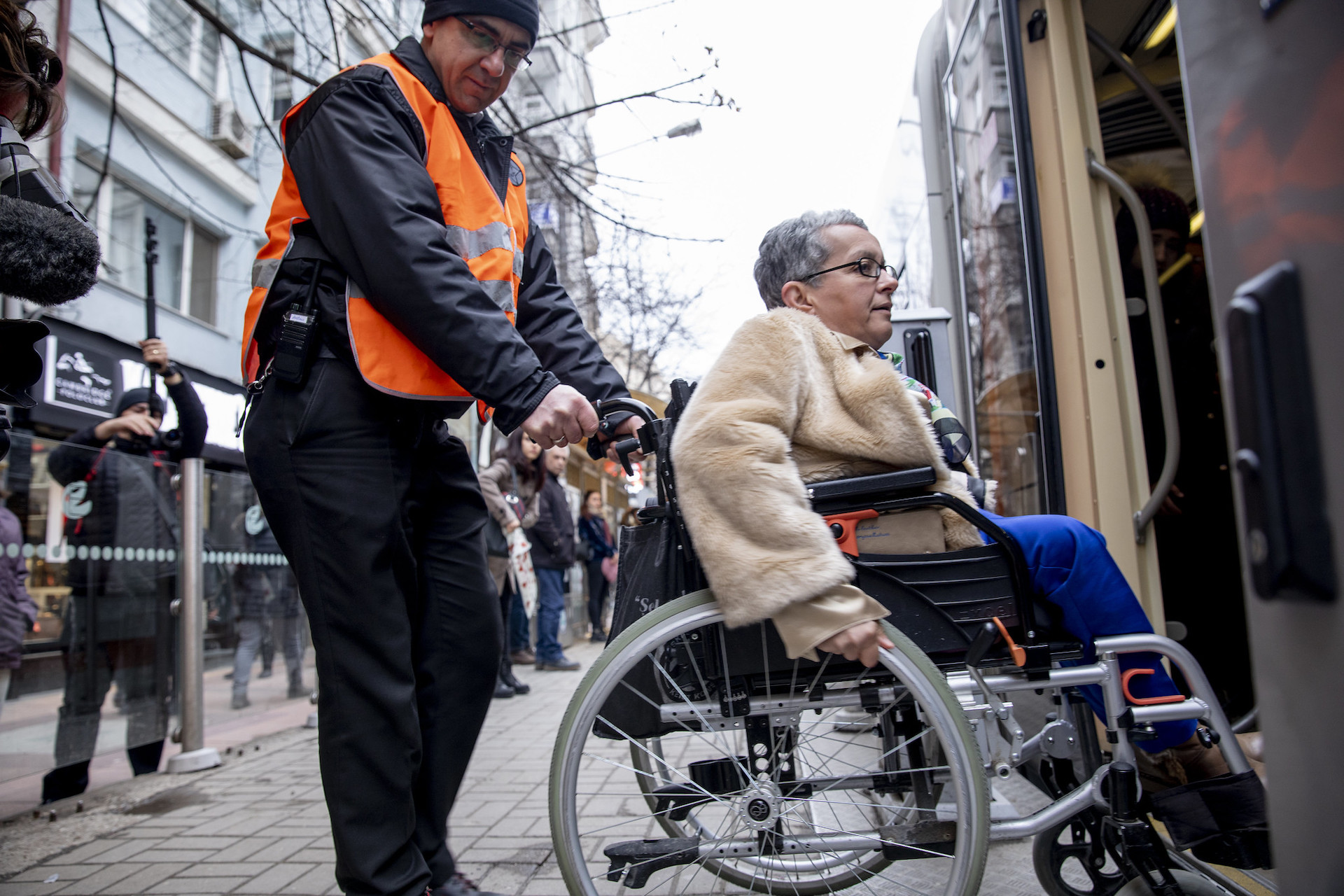
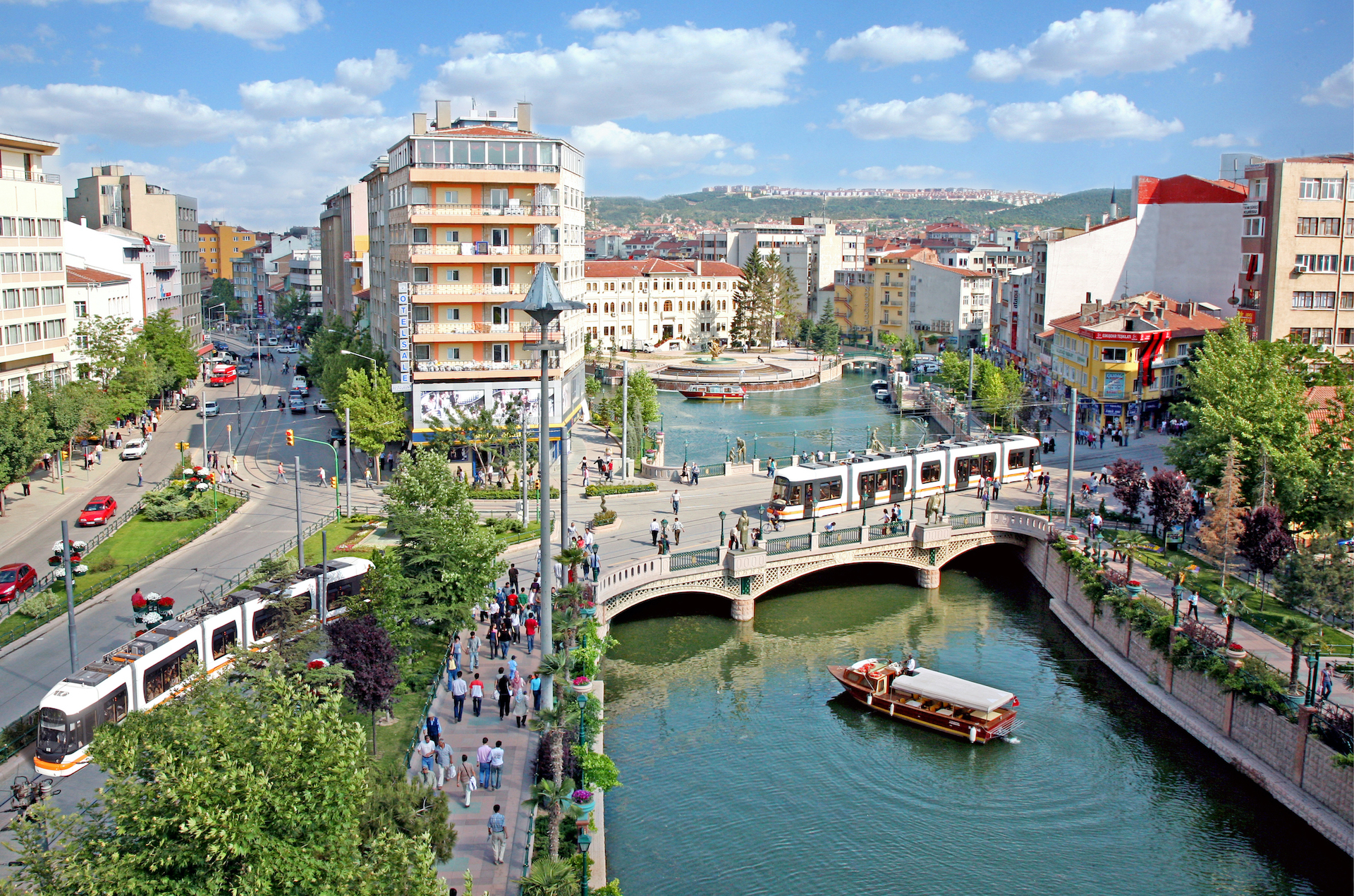
Finally, Mayor Büyükerşen led the Eskişehir Metropolitan Municipality in another series of public projects to greatly expand urban green space through a series of new parks and cultural areas in 2010, including the Sazova Science Art and Culture Park and Kentpark. Combined with the pedestrianization, transport and river work, these efforts created an interwoven set of natural and human-made infrastructure for the benefit of all residents.
By The Numbers
39 kilometers of new electric tram lines
Tram lines move 130,000+ people per day
215% increase in green space per resident
2018-2019 SUBMISSIONS
193 SUBMISSIONS 120 CITIES 41 COUNTRIES 6 CONTINENTS
Location
Dar es Salaam, Tanzania
THE PROBLEM
The lack of safe pedestrian routes in Dar es Salaam and other African cities means children in the region are twice as likely to die or be injured in road accidents than children globally. Every year, 1.35 million people die from road crashes. Pedestrians, cyclists and motorcyclists account for 80% of deaths in low and middle-income countries.
The Big Idea
Create safer school zones in areas of high risk using fast-acting, low-cost and evidence-driven infrastructure, behavior, and policy changes that deliver quick wins and give policymakers a roadmap to safer cities for all road users.
Life Changing Impact
Fewer fatal and near-fatal traffic crashes among school children, who are now able to save their energy and focus for the classroom, and safer roads for other pedestrians, who are the majority of road users in Africa.
Ripple Effect
Cost-effective and replicable, SARSAI is yielding quick wins that save lives while laying the foundation for longer-term policy and institutional change by producing reliable evidence of change.
Amend is a small non-profit with offices in Ghana, Mozambique and Tanzania that uses SARSAI, an evidence-driven package of interventions that includes infrastructure improvements, behavioral education and advocacy, to decrease child road traffic injuries and deaths in Dar es Salaam and other fast-growing sub-Saharan African cities.
Dar es Salaam is one of Africa’s fastest-growing cities, on track for 20 million residents by 2050. But it and other cities across the region are struggling to keep up with the safety and road infrastructure demands of rapidly growing and motorizing populations. Children must navigate a chaotic and dangerous mix of fast-moving vehicles, on foot, without safe pedestrian routes in order to get to school. Many are killed in road crashes, while injuries force others to miss school or leave them with life-long disabilities.
When Amend started in 2005, there was little attention paid to child road traffic injuries in the region and no reliable data on the magnitude of the problem. Amend’s initial interventions, focused solely on education and behavior change, proved insufficient in reducing roadside crashes. In 2012, Amend launched SARSAI at two schools in Dar es Salaam, with support from the FIA Foundation. The team first identified the most at-risk schools using public data and community reporting. Then the Amend team, which included community relations experts and road engineers, developed tailored infrastructure modifications designed to reduce risk hot spots for each school area, including new footpaths, zebra crossings, bollards, speed humps, and routes that travel along less busy roads. At the same time, they taught the children at each school crucial safety practices.
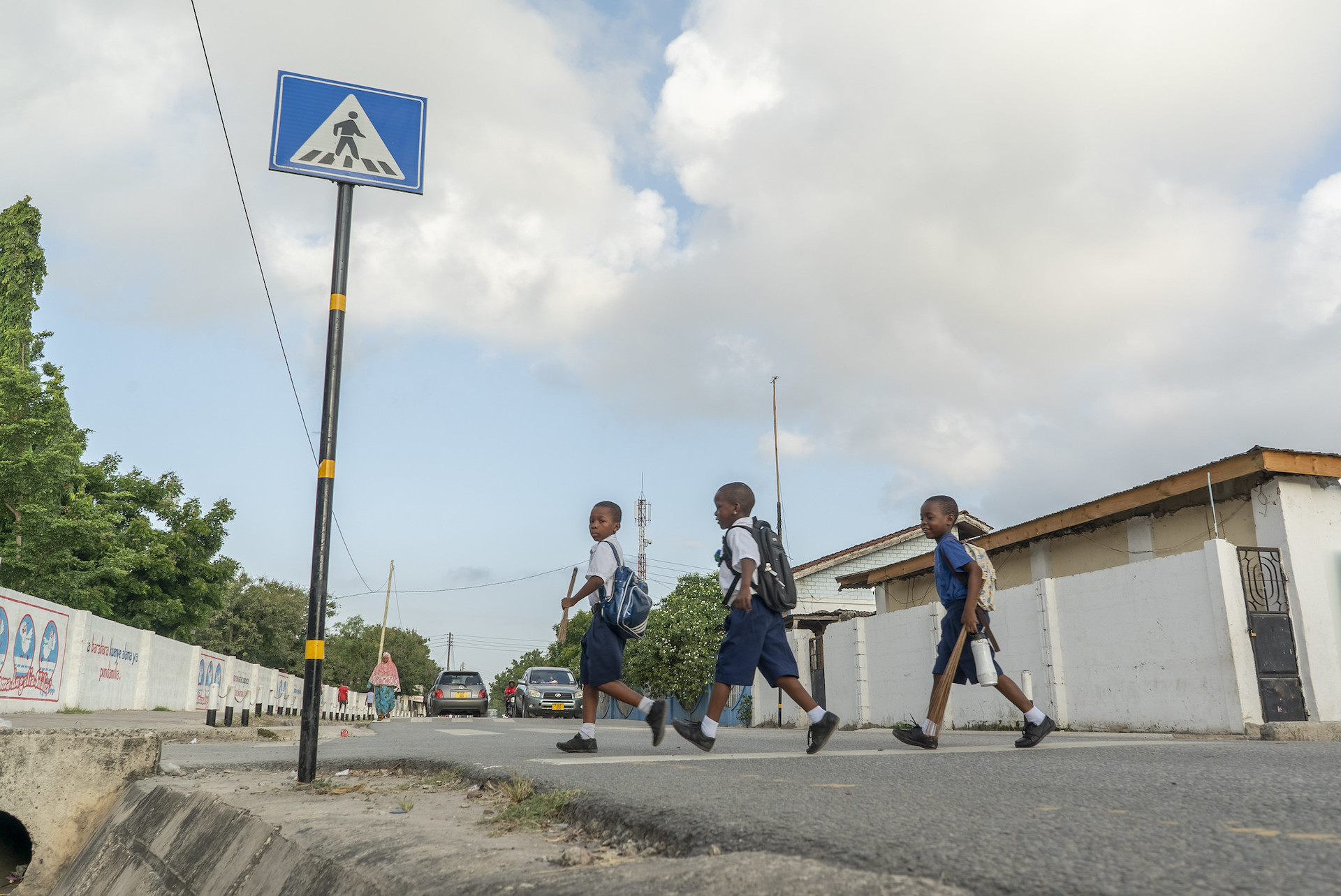
Between 2013 and 2014, Amend expanded SARSAI to more schools in Dar es Salaam and built key relationships with local authorities, who approved the technical plans in each case. Community members – including teachers, parents and municipal engineers – also became active participants in SARSAI, from the benchmarking of injury rates to follow-up monitoring and educational courses.
Amend’s partnership in 2015 with the U.S. Centers for Disease Control and Prevention helped cement the credibility of the approach. With the CDC’s support, Amend carried out a population-based, randomized control study of 18 schools in Dar es Salaam, based on a sample size of more than 13,000 school-aged children. The study, published in the British Medical Journal in 2018, showed a 26% reduction in road traffic injuries at schools that received the intervention. After one year of study, SARSAI interventions were brought to the control group as well.

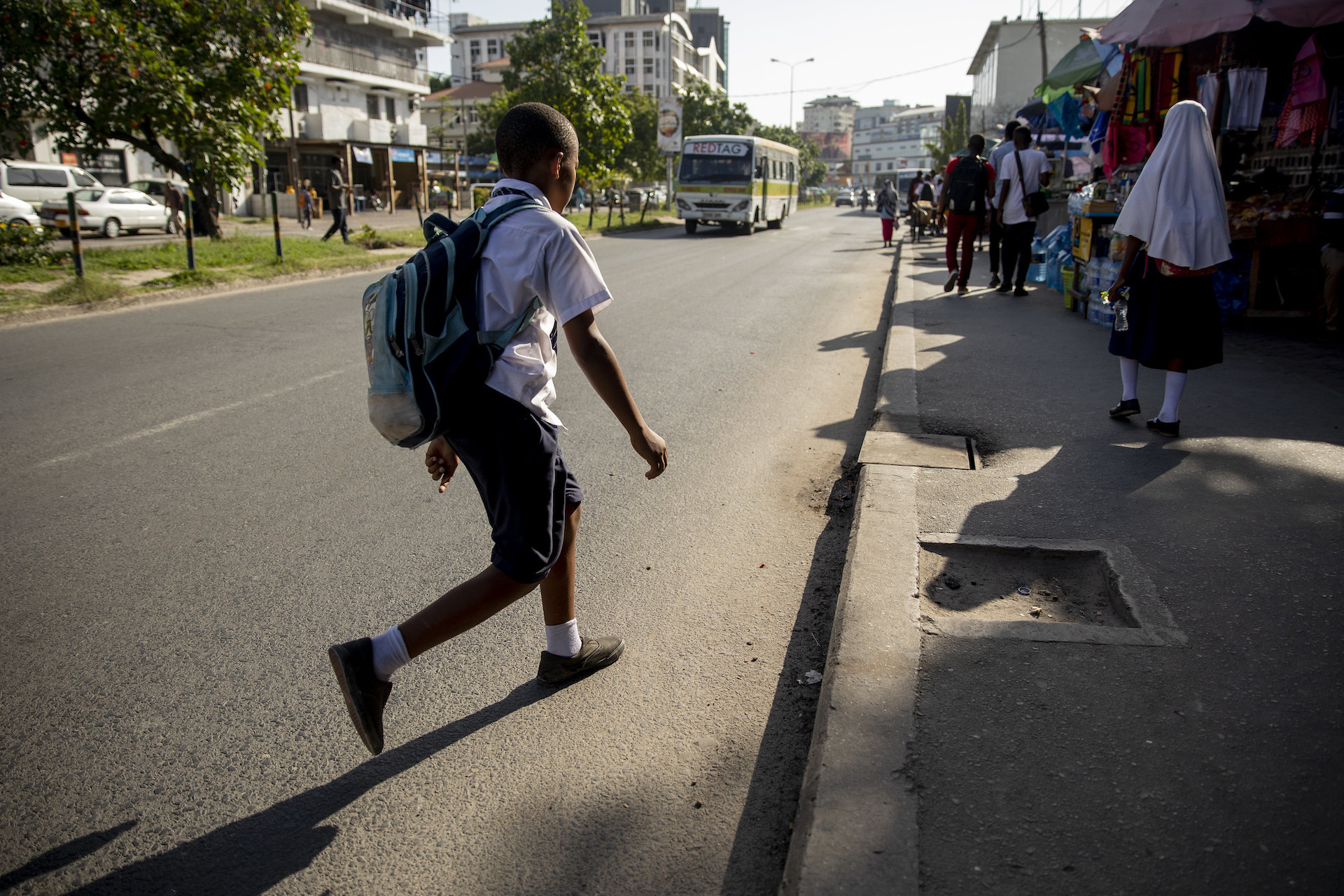
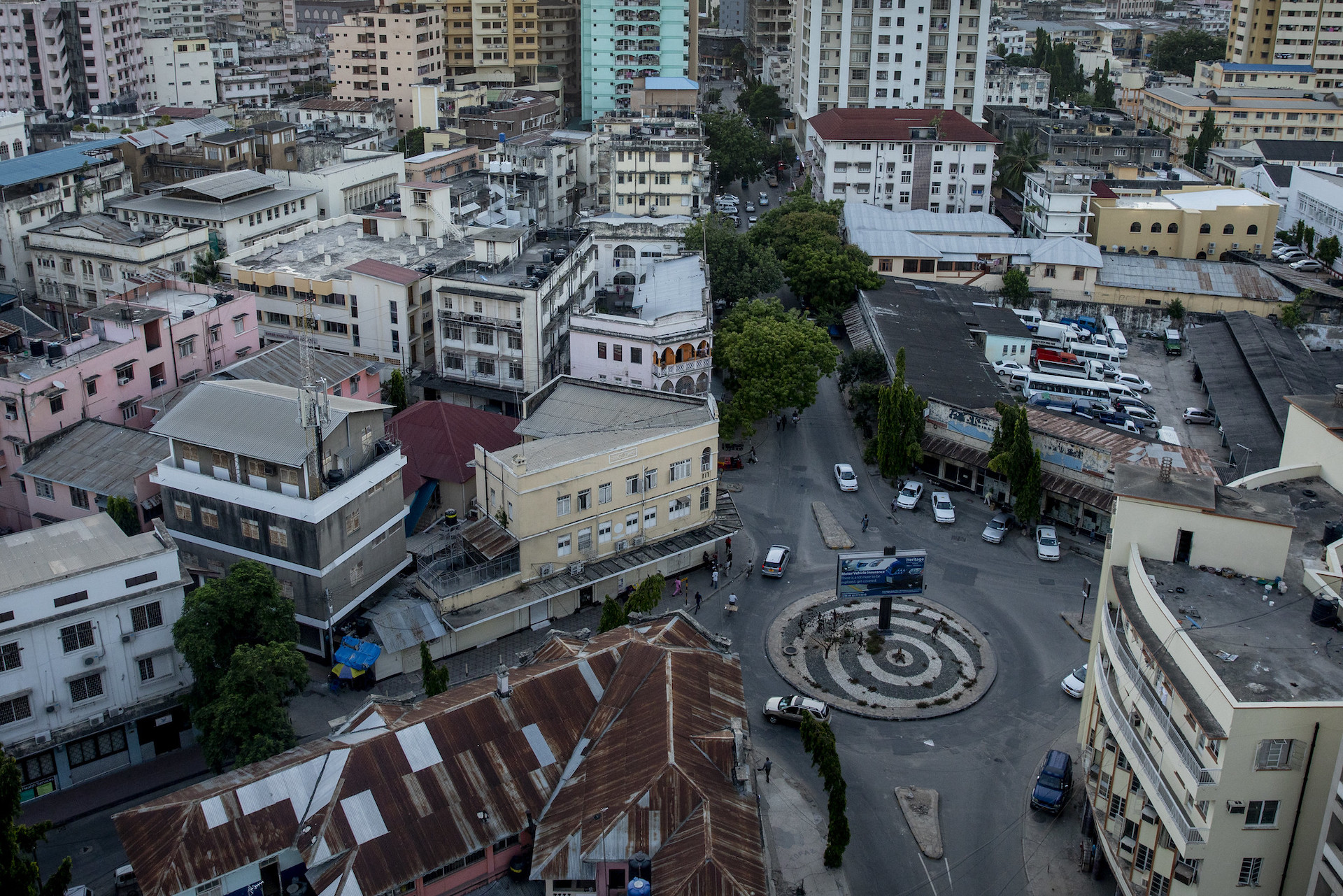
In 2017, following a $1.7 million grant from the FIA Foundation and the Puma Energy Foundation, Amend began expanding SARSAI to other cities. It has now brought the program to more than 50 high-risk school areas in nine sub-Saharan African countries. In Dar es Salaam, Amend continues regular incident monitoring and retrofitting of high-risk schools while building capacity among public officials to embed children’s safety measures into roads as they are built.
By The Numbers
Improved infrastructure in 26 school areas in Dar es Salaam
Reduced injury rates 26%
Cut traffic speeds in school zones up to 60%
Prevented 500 injuries cases each year across 9 countries
Directly benefited 38,000+ students
New infrastructure costs just $25,000 per school