Search

262 SUBMISSIONS 160 CITIES 54 COUNTRIES 6 LANGUAGES
Location
Monterrey, Mexico
THE PROBLEM
Rapid outward expansion created a low-density, resource-inefficient metropolitan area plagued by congestion, as drug violence tore at the social fabric of the city.
The Big Idea
A university-led revitalization process that works with government and communities to pilot new, more compact, district-scale design methods, along with supporting policy and finance changes.
Life Changing Impact
Increased access to public space and green space, walking and cycling, business activity, and social cohesion through cultural and community programming and participatory governance.
Ripple Effect
Established new city regulations for density and public participation as well as financial instruments for district-level investments, while informing national and international efforts to create cohesive neighborhoods.
DistritoTec has knit Monterrey together in more ways than one. From more compact and accessible neighborhoods that encourage walking, cycling, and new economic opportunities to increased community involvement and cohesion, the project by the university Tecnológico de Monterrey (Tec) has piloted new design, policy and finance standards in district-scale transformation.
From 1980 to the early 2000s, Monterrey – Mexico’s third largest city – underwent rapid urban expansion and car-centric development. As the city’s population doubled, its density decreased by 75% as more residents moved to the periphery and increasingly relied on private vehicles. Air pollution rose to dangerous levels while the tax base declined.
Meanwhile, violence from the war on drugs brought insecurity and further tore at the social fabric of the city. In 2010, violence came to a head and touched the Tec community directly. Over the next two years, the university weighed its options and considered moving to a different part of the city. Eventually the leadership decided to stay in its historic location and opened itself to different stakeholders in the community, including residents, government officials and local business leaders, to develop a solution that would transform the urban context of the surrounding neighborhoods.
The university assembled a preliminary team to analyze and learn from other cases of urban transformation, including those led by universities and those enacted in violent contexts. In 2013, the university established a full-time team for the project, which helped design the new master plan for the evolution of the campus and conceptualize the 24 surrounding neighborhoods as part of a cohesive district.
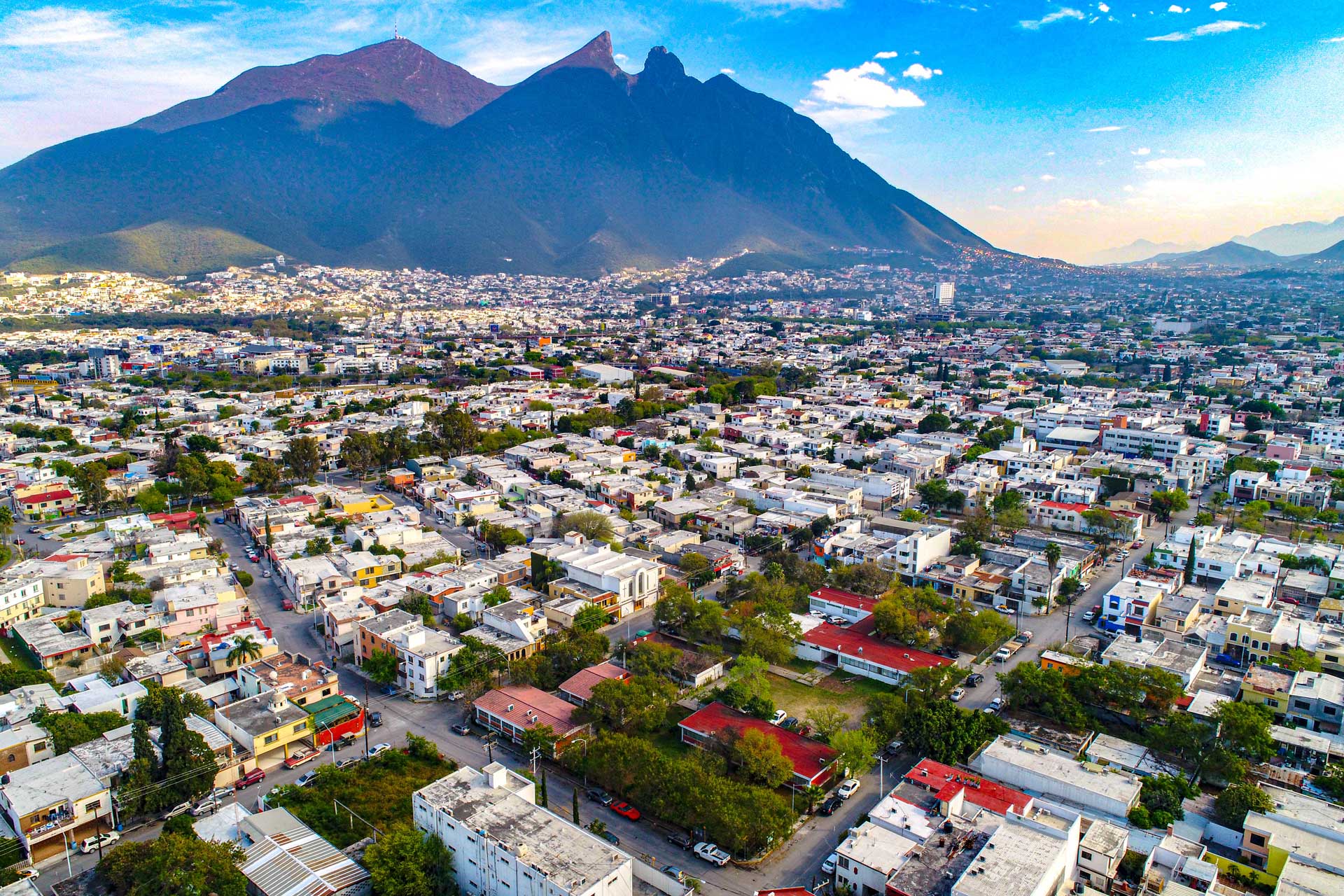
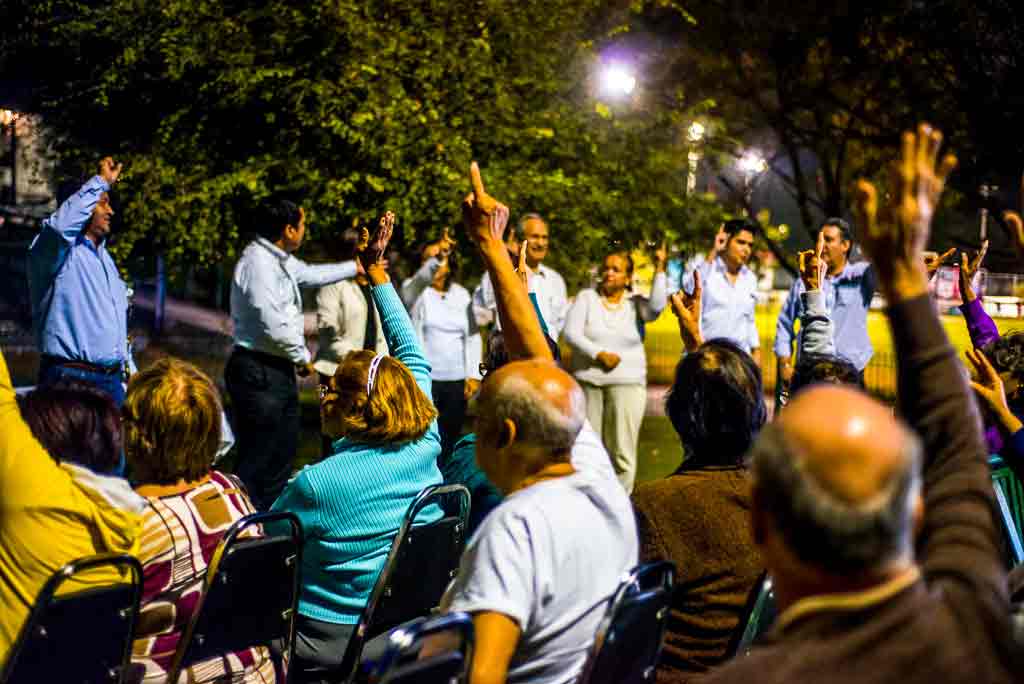
The university launched the DistritoTec regeneration initiative in 2014 and provided seed funding of $200 million. The project designed opportunities for community engagement from the start, encouraging the formation of neighborhood committees that would then have representation in the larger Neighborhood Council of DistritoTec. Aware that the district would need municipal support to bring about the desired changes, the Council, requested the formal recognition of DistritoTec as an area for strategic redevelopment.
In 2015, the Monterrey City Council approved a Partial Urban Development Program for DistrioTec, a special development zone under Mexican law, which set out guidelines, strategies and projects to create mixed-use development and increase density in the district. This paved the way for physical changes to begin, and the project team started with the boundaries of the Tec campus, redesigning them to remove fences and walls and create four new pocket parks.
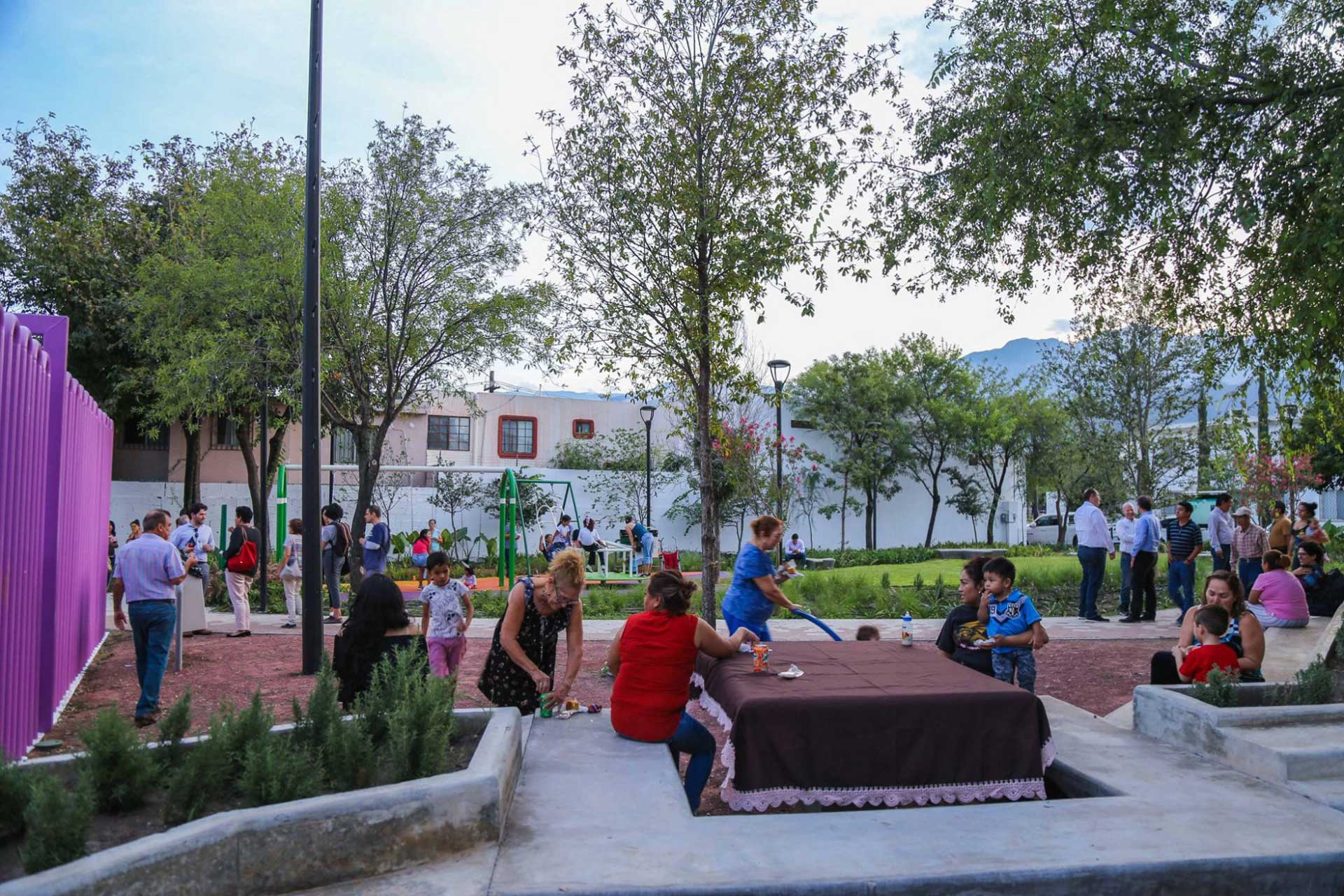
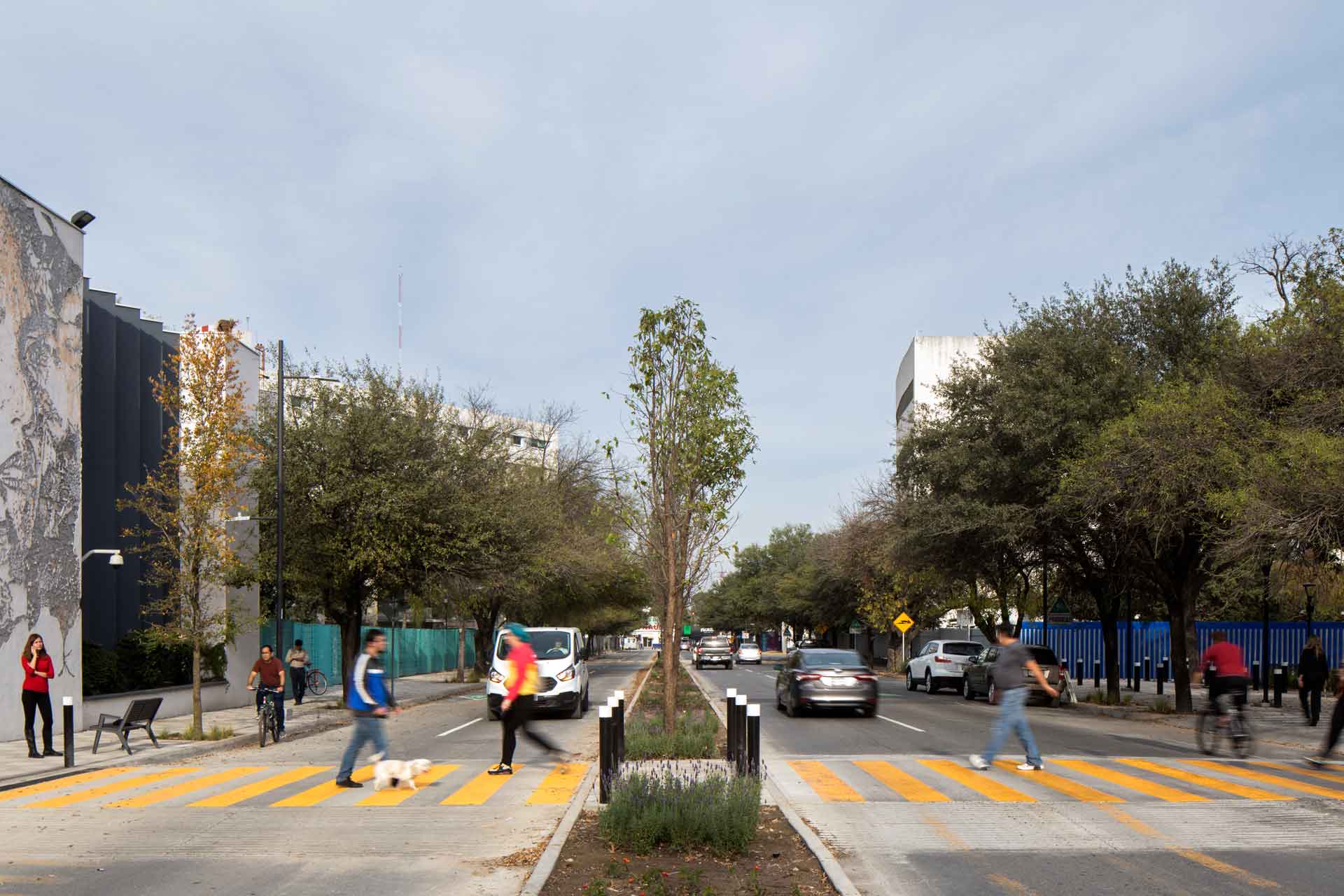
On a wider scale, DistritoTec worked with the community and city on rehabilitating parks across the district. Other physical changes included over 3 kilometers of “complete streets” improvements funded through both municipal and regional government sources to improve pedestrian and cycling infrastructure and safety; as well as the transformation of the Garza Sada roundabout, a major hotspot for road traffic injuries.
These changes to the urban landscape were complemented by cultural events, as the neighborhood committees launched cinema nights, concerts, local markets, art shows and more. New business registrations in the district also soared, fueled by a major drop in violent crime and an increase in foot traffic. The project’s deep collaboration with private businesses has attracted over $500 million for infrastructural upgrades and programming in the district.
In 2018, the DistritoTec Neighborhood Council was granted formal recognition by the city in the Municipal Law of Public Participation, paving the way for other districts to follow similar models of participatory governing. In 2019 the municipal government approved the DistritoTec public trust, a financial instrument that will allow a portion of public revenue to be captured and reinvested into infrastructure and public space priorities, further improving the project’s financial sustainability.
The project has informed the development of multiple districts in Monterrey. In addition, lessons from Monterrey have influenced the development of a national design guide for complete streets. DistritoTec has also demonstrated the success of university-led initiatives. A new phase is underway to help the area become an Innovation District, during which research produced by the university will directly inform urban development. This has also inspired Tec’s sister campus in Mexico City to begin a similar project, the Tlalpan Innovation District.
By The Numbers
16,900+ direct beneficiaries
23% increase in registered businesses, three times the city average
$500 million in new investment
17,000 square meters of renovated public park
3 km of new “complete streets”
14 new neighborhood committees
2020-2021 SUBMISSIONS
262 SUBMISSIONS 160 CITIES 54 COUNTRIES 6 LANGUAGES
Location
London, United Kingdom
THE PROBLEM
Toxic air pollution is a public health, environmental and social justice issue, with people in the poorest parts of London suffering the worst effects despite being the least likely to own a car.
The Big Idea
Establish the world’s toughest driver-pays low emission zone to encourage residents and businesses to switch to cleaner vehicles, public transport, and walking and cycling.
Life Changing Impact
Reduced toxic emissions from road transport, expanded low-emission public transport and non-motorized mobility options, and decreased disparities between the most and least deprived areas.
Ripple Effect
Invested in low-emissions public transport and sustainable mobility infrastructure across London and inspiring other UK cities to roll out air quality interventions, from pedestrian and cycling infrastructure to car-free days.
The Greater London Authority’s Ultra Low Emission Zone (ULEZ) is the culmination of almost two decades of ambitious road user charging policies aimed at reducing air pollution and traffic congestion, as well as complementary investments in public transportation and sustainable mobility infrastructure. Currently covering all of central London, the ULEZ requires drivers to meet strict vehicle emissions standards or pay a daily charge, encouraging Londoners and businesses to switch from heavily polluting vehicles to cleaner modes of transport.
The past three decades have heralded unprecedented growth for London, transforming it once again into a preeminent global financial center. But the city’s regeneration has had drawbacks: traffic congestion has increased and air pollution has remained stubbornly high for some residents. In 2013, a municipal audit revealed that low-income communities were exposed to about a quarter more nitrogen dioxide (NO2) pollution than average and communities of color were exposed to 16-19% more NO2 pollution than average. With its significant negative impacts on human health, air pollution in London is not just an issue of climate change, but also one of social justice.
In 2016, Mayor Sadiq Khan was elected on a platform that prioritized improvements to air quality. The ULEZ builds on initiatives developed in successive administrations, including the congestion charging zone, which places a daily fee on drivers entering central London, followed by the Low Emission Zone, which applies a charge to all heavy-duty vehicles that do not meet certain emissions standards. The ULEZ is designed to specifically address transport emissions, the biggest source of air pollution in the city, by requiring all vehicles to meet strict emissions standards 24 hours a day, seven days a week or pay a daily charge.
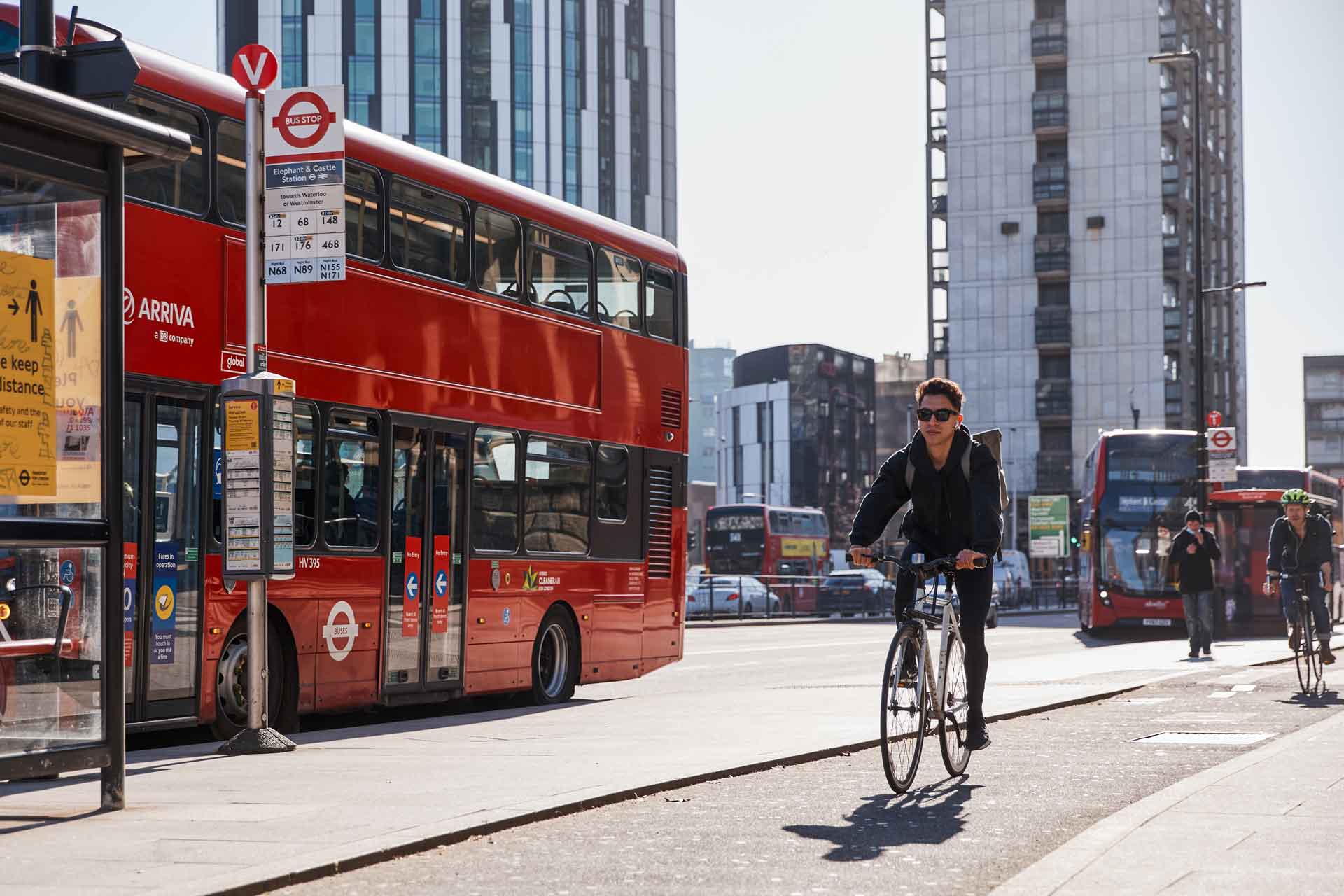
To ensure the ULEZ would benefit all Londoners and especially those most affected by air pollution, Mayor Khan’s administration conducted a range of audits to project its environmental, economic and health benefits. Insights from these reports fed into consultations with local communities and helped build support for both the ULEZ and the city’s wider fight against air pollution. Aware that switching to less-polluting vehicles presents a heavier burden for low-income and disabled residents as well as small business owners, the mayor created a fund of over $60 million to help these populations scrap their older cars and reinvest in ones that meet ULEZ requirements. All revenue from the ULEZ and the other charging policies are reinvested into London’s public transport system to incentivize a citywide shift towards lower-emissions options.
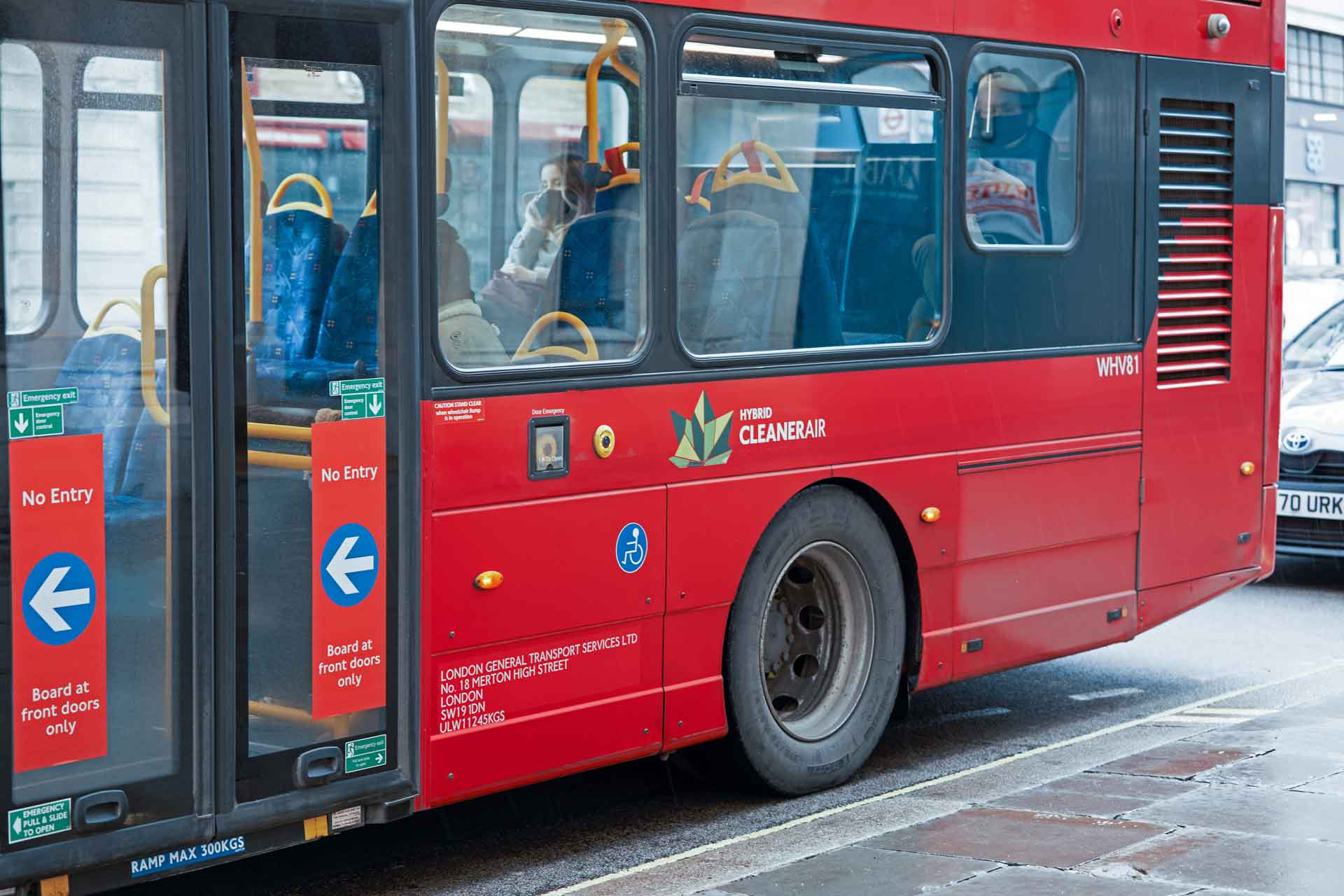
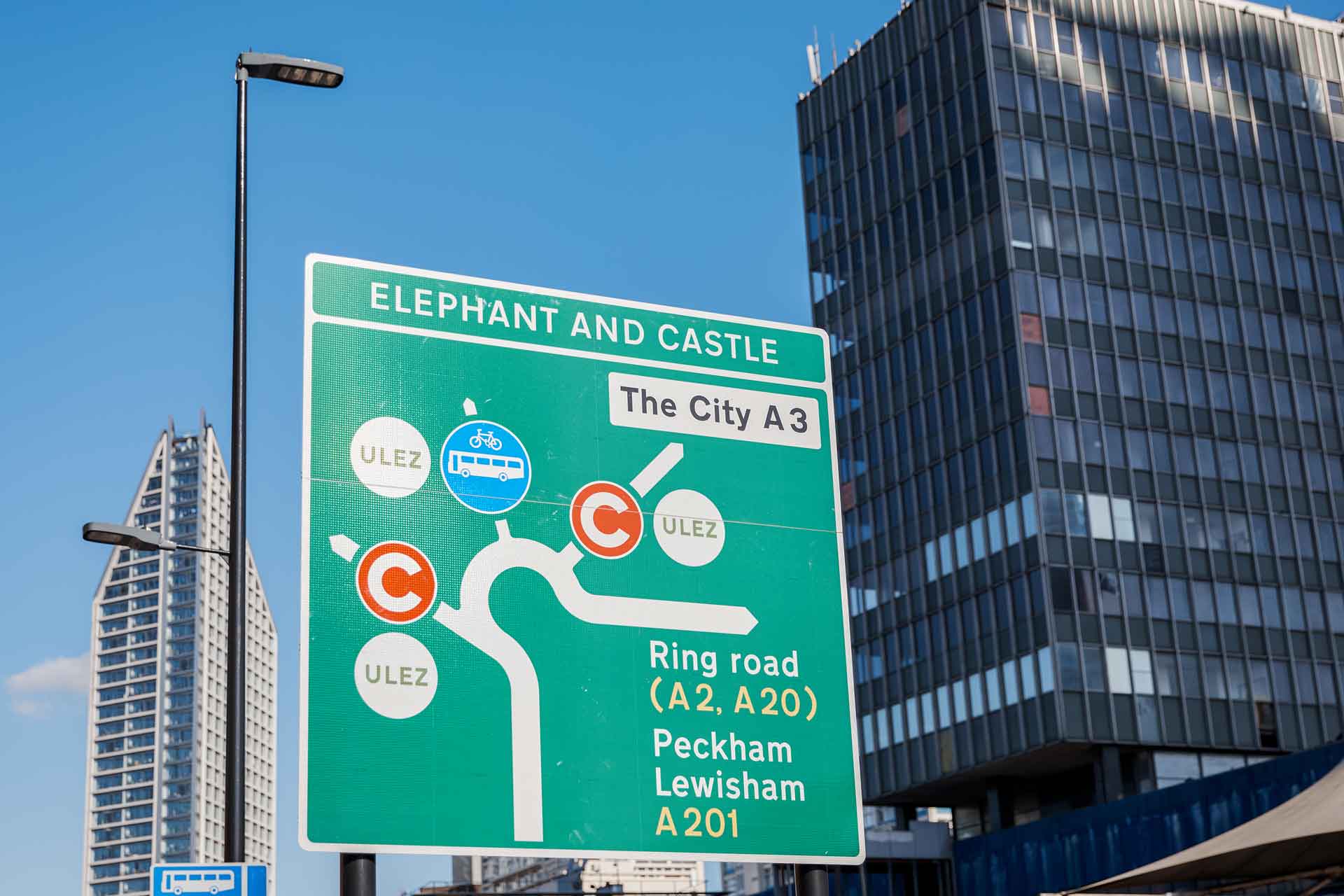
While the ULEZ stands on its own in terms of ambition, it is also part of a broader package of measures to tackle transport pollution in London. To address emissions from public transport, the GLA identified 12 pollution hotspots that needed immediate attention and replaced buses in these areas with those that either meet or exceed ULEZ standards. By the end of 2020, the entire bus fleet was retrofitted or replaced to meet these standards. The city has also invested in expanding its electric bus fleet and rolled out thousands of electric taxis along with vehicle charging infrastructure. Other efforts have included car-free days and the School Streets program, which closes roads around schools to vehicle traffic at pick-up and drop-off times to encourage walking and cycling. So far over 380 School Streets have been implemented, and there has been a 97% reduction in schools located in areas exceeding legal pollution limits.
In an effort to ensure that the city’s recovery from COVID-19 does not depend on polluting private vehicles, the GLA established the Streetspace for London plan, supporting boroughs in installing temporary infrastructure and policies to help make streets safer for pedestrians and cyclists, while promoting active mobility.
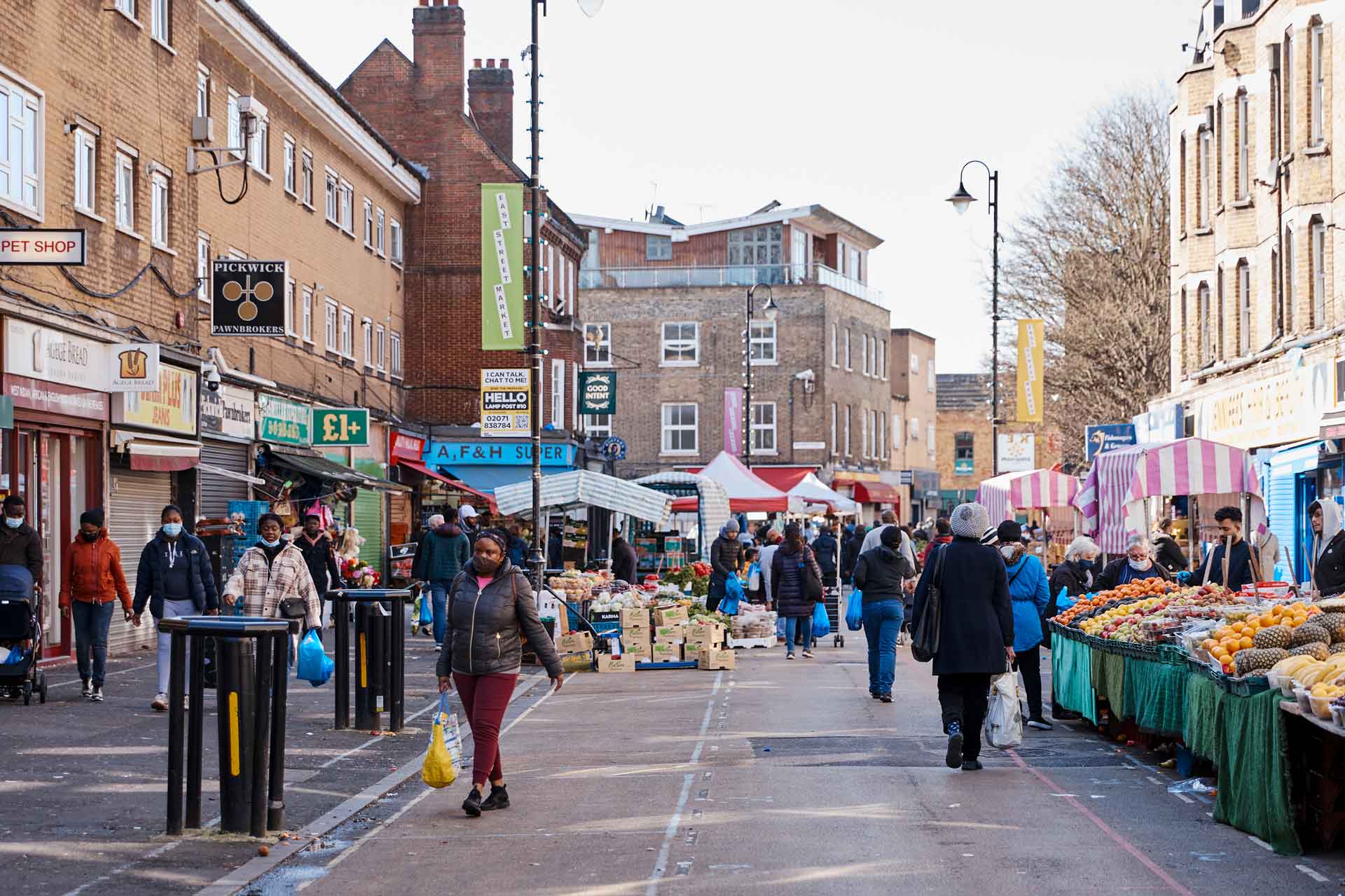
London’s commitment to reducing emissions and improving air quality has spurred nationwide action. The GLA is engaging in knowledge sharing activities about the ULEZ, the scrappage scheme and London’s wider air quality agenda through national air quality summits with city leaders from the UK. It has also hosted meetings with the World Health Organization to disseminate knowledge internationally.
By The Numbers
Cleaner air for the 3.8 million residents of inner London
Reduced roadside NO2 pollution by 44% in first 10 months
94% reduction in people living in areas of illegal levels of NO2
$60 million vehicle scrappage fund
for low-income residents
44,100 fewer polluting vehicles in the ULEZ every day
97% fewer schools in areas exceeding
legal pollution limits