Search

260 SUBMISSIONS 155 CITIES 65 COUNTRIES
Flourish Map
https://public.flourish.studio/visualisation/10335079/embed
Tag Link
Flourish Source
visualisation/10335079
Other Contributors
Government of Khyber Pakhtunkhwa, Asian Development Bank , Agence Française de Développement
Location
Peshawar, Pakistan
THE PROBLEM
Residents in rapidly urbanizing cities across the world struggle with high travel burdens and exclusion from opportunities due to polluting and unregulated mobility systems. In Peshawar, women, children, the elderly, disabled and transgender people in particular faced safety and harassment issues using the city’s existing transport options.
The Big Idea
Restructure the local bus industry to build a state-of-the-art rapid transit bus system that is safe, inclusive and revolutionizes connectivity across the city.
Life Changing Impact
Provides a safe mobility solution for vulnerable groups, while almost halving passenger travel times to education, jobs and care facilities for all residents.
Ripple Effect
Initiated major institutional reforms in Peshawar and the province of Khyber Pakhtunkhwa, while sparking citywide expansion plans and inspiring similar systems in other cities in Pakistan.
Peshawar, a rapidly growing city in northwest Pakistan struggling with an inadequate transport system, adapted international practices to deliver a world-class mobility solution through restructuring the local bus industry, scrapping old vehicles and building a state-of-the-art bus rapid transit system. Implemented by TransPeshawar, the city’s transit company, Zu Peshawar has helped unlocked life-changing opportunities for previously marginalized groups, particularly women, children and transgender people.
In a city of 2 million people that has faced violent terrorist attacks, Peshawar’s aging transport infrastructure and unregulated vehicles were creating congestion and pollution and not providing reliable, safe and affordable access to jobs, education, care for residents.
In 2013, the provincial government of Khyber Pakhtunkhwa initiated a pre-feasibility study to improve Peshawar’s urban transport system. Several options were considered, with a Bus Rapid Transit (BRT) model emerging as the most feasible option.
Designed with international best practices in mind, a new bus rapid transit (BRT) system, Zu Peshawar, was launched in August 2020 on an accelerated timeline. It transported over 50 million passengers in its first year of operation.
In February 2022, the BRT system won an Honorable Mention Award in ITDP’s Sustainable Transport Award and was awarded the BRT Gold Standard ranking by the Technical Committee of the BRT Standard.
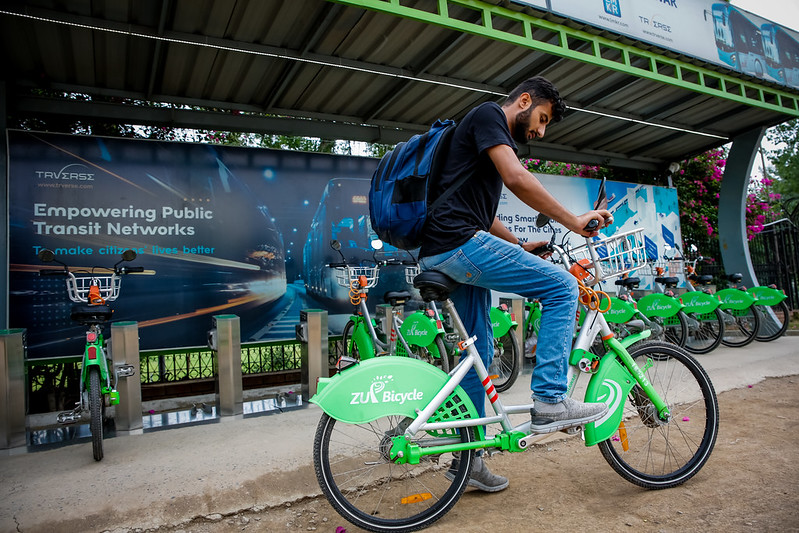
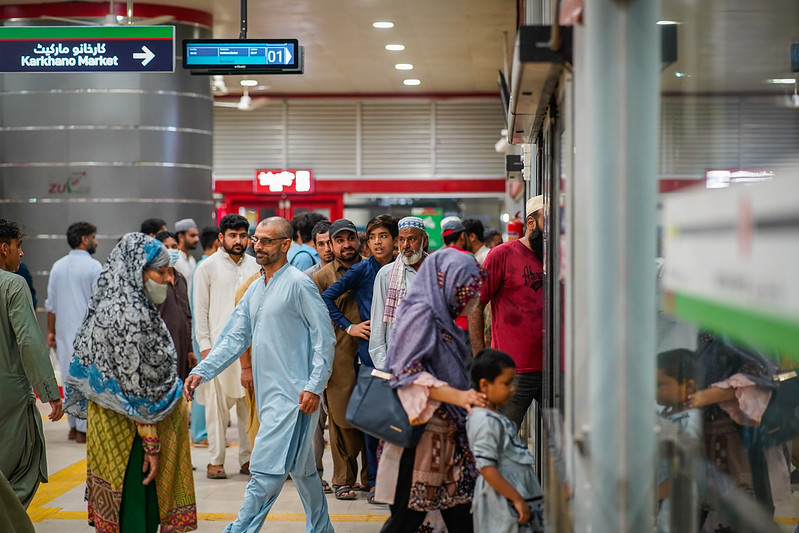
The implementation of the system has significantly increased female ridership on public transport, opening up new education and professional opportunities for women through access to safe, quality mobility.
Peshawar’s experience shows that international practices can be successfully localized to deliver a world-class mobility solution and that unlocking opportunities for previously marginalized groups creates a city that is safer and healthier for everyone.
There is no prior existing relationship between the project and WRI. For full disclosure, please visit here.
By The Numbers
70% of the city area covered
10x increase in female ridership
1,330,000 benefited from direct access to public transport
265,000 daily peak passengers, 80-95% user satisfaction
27km bus corridors, 30 stations, 59km of connecting routes, 220 diesel-electric buses, 360 bikeshare bicycles, 120km of footpaths, ITDP Gold Standard
81% of city educational institutes now accessible by public transport, 80% of hospitals beds, 75% of commercial hubs, 75% of industrial areas
2021-2022 SUBMISSIONS
260 SUBMISSIONS 155 CITIES 65 COUNTRIES
Location
Paris, France
THE PROBLEM
The climate emergency, spiraling inequality and COVID-19 pandemic all challenged cities. In Paris, the pandemic struck just as local government made ambitious commitments to reduce greenhouse gas emissions by 100% by 2050, while promising to increase residents’ well-being, employment opportunities and the equitable distribution of benefits across the city.
The Big Idea
Bring services, amenities and opportunities closer to people’s homes to build support for an ambitious portfolio of public interventions, investments and reforms.
Life Changing Impact
Residents benefit from improved public and non-motorized mobility options, increased local economic activity, green areas, reduced travel times, improved amenities, lower pollution and traffic congestion, and are able to participate in setting public budgets for local projects.
Ripple Effect
The project’s vision and Paris’ implementation of it have inspired leaders globally by providing an attractive and tangible urban future adapted to climate, economic and other disruptions.
Guided by scientists from Chaire ETI at the Sorbonne Business School, the Mayor of Paris created and adopted the compelling “15-Minute City” concept to unite and propel a progressive urban reform portfolio. Spanning a wide range of public interventions and investments across mobility, housing, economic development, education and culture, Paris’ ambition has sparked a global movement to tackle car dominance, climate change and urban inequality simultaneously.
In 2016, Professor Carlos Moreno of Chaire ETI coined the term “15-Minute City” to describe a city which localizes the main aspects of urban life – work, housing, food, health, education, culture and leisure – within a short distance of people’s homes.
In 2019, Mayor Anne Hidalgo adopted the 15-Minute City concept to spark momentum for her policy agenda consisting of a range of social, economic, and environmental public reforms, interventions, and investments.
Following pilots in three Parisian districts between 2017-2019, the first measures included opening schoolyards on weekends, converting single use buildings to mixed uses, pedestrianizing school streets, and helping local shops with rent affordability.
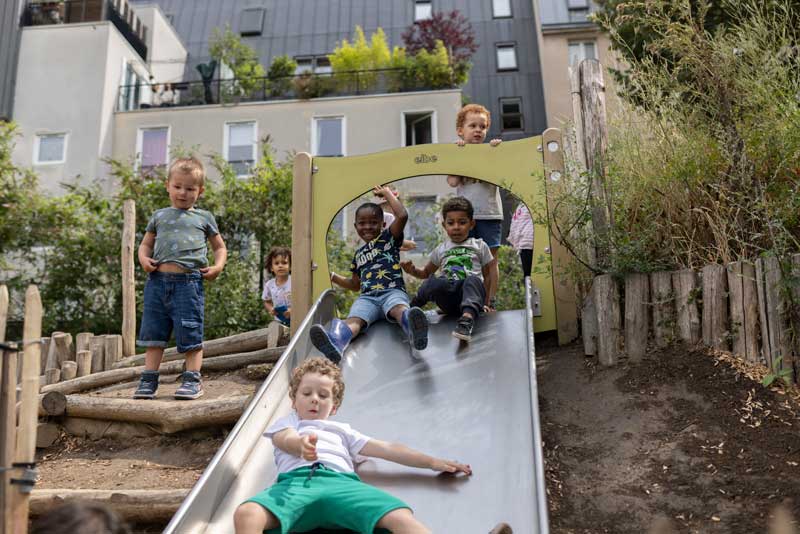
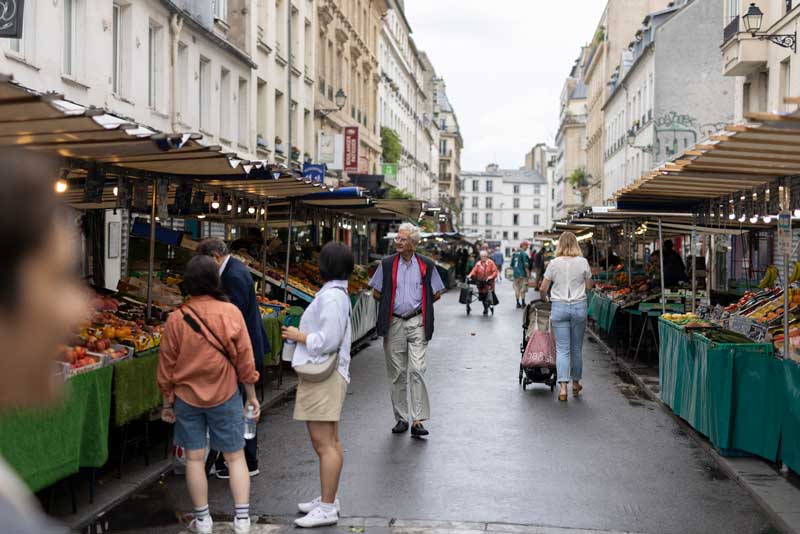
A portfolio of small-, medium- and large-scale interventions is being implemented, including making permanent temporary bike freeways created during the pandemic (“coronapistes”), participatory budgeting, decentralized decision-making, and other mixed-use, climate, and community-friendly projects.
Since March 2020, the 15-Minute City has become a global movement influencing many cities in France and beyond, as well as leading urbanists and international urban actors, and sparked a range of local adaptations.
There is no prior existing relationship between the project and WRI. For full disclosure, please visit here.
By The Numbers
1,000+km new bike lanes
12 new pedestrian squares
7 new urban forests and 1 urban park converted from roadway (Rives de Seine)
180 pedestrianized school streets and open schoolyards
$80 million allocated through participatory budgeting
Inspired countless cities in France and the world
2021-2022 SUBMISSIONS
260 SUBMISSIONS 155 CITIES 65 COUNTRIES
Location
Odisha State, India
THE PROBLEM
The onset of COVID-19 upended city life across the world and accompanying disruptions pushed up to 95 million people into poverty. In the state of Odisha, India, lockdowns imposed during the pandemic created an acute unemployment and poverty crisis among the urban poor.
The Big Idea
Work with existing civil society groups and adapt public sector procurement processes for the rapid creation of a mass jobs and infrastructure program for the urban poor, informal workers and migrant laborers.
Life Changing Impact
Communities across Odisha benefit from resilient, climate-sensitive community assets and new infrastructure while the urban poor receive immediate wages.
Ripple Effect
The emergency program has been institutionalized into a permanent urban employment program and inspired replication on a massive scale, including being held up as a national exemplar.
The Housing and Urban Development Department of the Government of Odisha responded to India’s nationwide COVID-19 lockdown – the world’s largest – by working with existing community networks to create mass employment opportunities for the urban poor, informal and migrant laborers.
In early 2020, a million migrant workers returned to Odisha after India’s nationwide COVID-19 lockdown ground economic activities to a halt.
The Government of Odisha created the Urban Wage Employment Initiative to provide rapid-response employment opportunities for urban poor workers whose livelihoods were disrupted by the crisis.
To date, workers across Odisha’s 114 cities have been employed to implement 22,500 climate-sensitive building projects including drain desilting, green cover, rainwater harvesting, community centers, sanitation activities and public space development.
In a departure from the traditional process of tendering public works, local authorities were guided by Odisha’s Housing and Urban Development Department to work directly with community groups, slum dwellers associations and women’s self-help groups to deliver construction projects in local communities.
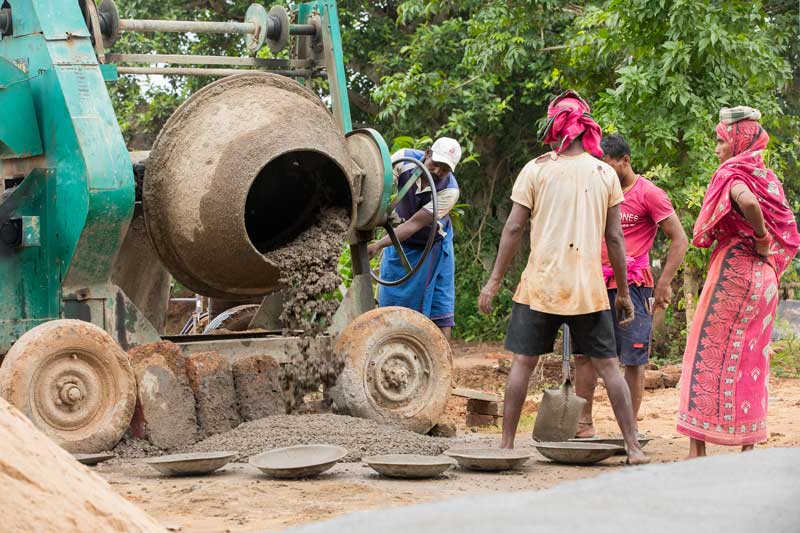
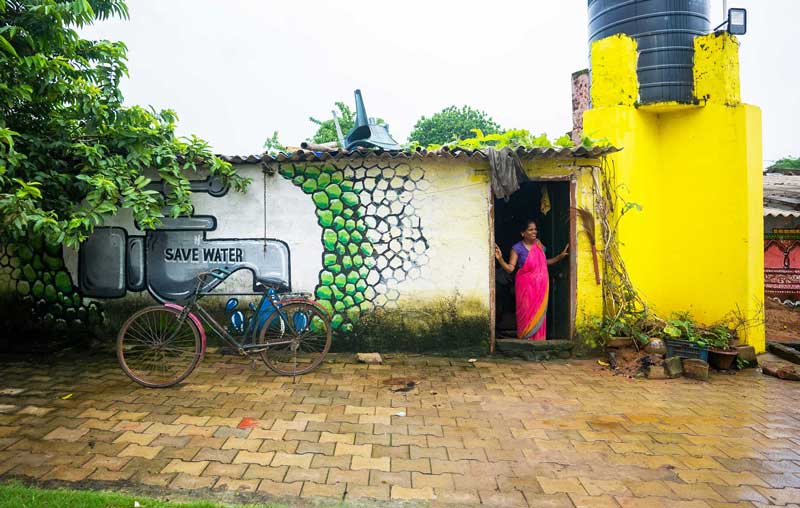
Success of the initial emergency Urban Wage Employment Initiative program led to the creation MUKTA in 2021, an institutionalized and longer-lasting urban employment program. The program has been replicated across four Indian states and commended by the Indian government.
There is no prior existing relationship between the project and WRI. For full disclosure, please visit here.
By The Numbers
22,500 projects worth $26 million, including drain desilting, green cover, rainwater harvesting, community centers, sanitation activities, public space development
5,368 women’s groups as implementation partners
438 slum dwellers associations as implementation partners
700,000 urban poor and migrant workers directly benefitted from $12 million in wages paid
7 million city dwellers from public projects
87% of slums impacted and all of Odisha’s 114 urban local bodies
2021-2022 SUBMISSIONS
260 SUBMISSIONS 155 CITIES 65 COUNTRIES
Other Contributors
Iloilo City Local Government Unit, Iloilo City Urban Poor Federation, Inc., Iloilo Federation of Community Associations, Inc.
Location
Iloilo City, The Philippines
THE PROBLEM
Affordable housing is a global crisis, forecast to affect 1.6 billion people by 2025. In Iloilo City, a combination of rapid urbanization, informal settlements in disaster-prone areas and public flood prevention projects that put many at risk of displacement resulted in a complex local version of this challenge.
The Big Idea
Empower local communities to design and finance their own resilient housing projects based on leveraging strong relationships between urban poor associations and the local government and joint problem-solving.
Life Changing Impact
Resilient and affordable housing created without uprooting households from their communities, jobs and support systems.
Ripple Effect
Building citywide relationships and combining multiple community-led strategies has become a model for other housing initiatives in marginalized communities across the Philippines and the world.
With one approach to disaster risk reduction failing in this flood- and typhoon-prone city, urban poor associations teamed up with local government to create more resilient housing that is also safer, more secure and more affordable. Using tools such as public land banking, urban poor savings groups and participatory urban planning, Iloilo City shows how upgrading and resettlement can be done in an inclusive and collaborative manner.
Rapidly growing Iloilo City was struggling to keep up with housing demand when Typhoon Fengshen devastated the area in 2008, leaving 30% of all households without a safe and permanent home.
In response, the Homeless People’s Federation of the Philippines (HPFP) deepened its problem-solving relationship with the city government and other urban poor associations.
Together, civil society organizations and government have successfully followed a path of housing creation, relocation and disaster rehabilitation almost two-thirds of the city's 27,000 urban poor families, without forced evictions or distant relocations.
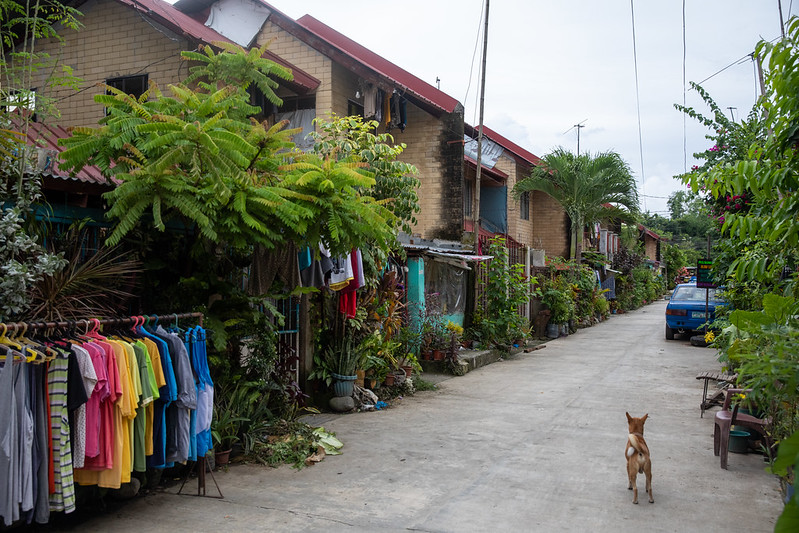
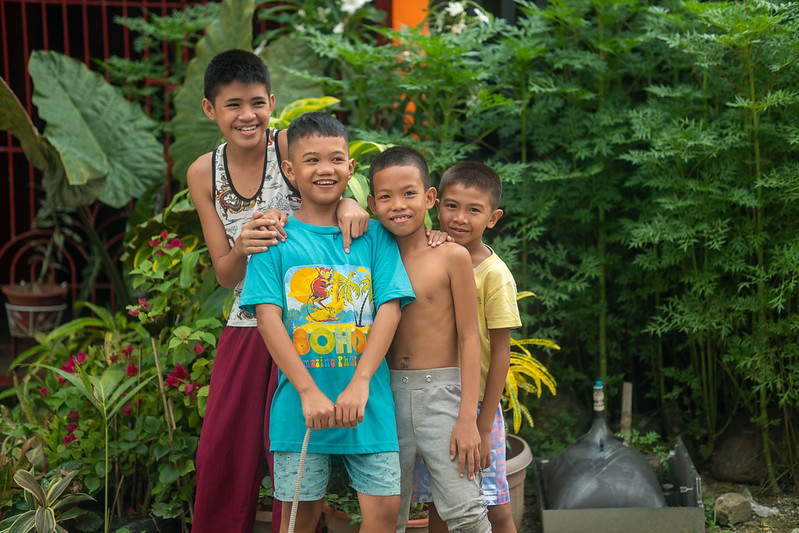
The municipal government contributed land banked within city limits, and community groups organized informal – often evicted and squatting – households using innovative approaches such as savings groups and participatory planning.
Multiple strategies combined to create citywide impact, from simple site upgrading to full housing construction and participation of urban poor representatives in the city’s formal planning processes. Iloilo has become a pioneer in pursuing citywide action on land acquisition, housing, infrastructure upgrading and post disaster rehabilitation.
There is no prior existing relationship between the project and WRI. For full disclosure, please visit here.
By The Numbers
37,000+ urban poor households represented by community groups in local planning body
5,400+ individuals (1,000+ households) provided with new housing
16 land parcels banked to guarantee relocation within 6km distance
566 local savings groups created to finance housebuilding and upgrading
Community participation in comprehensive land use plan (2011-2019) and local shelter plan
2021-2022 SUBMISSIONS
260 SUBMISSIONS 155 CITIES 65 COUNTRIES
Other Contributors
Agencia Distrital de Infraestructura, Siembra Barranquilla, Puerta de Oro, Empresa de Desarrollo Caribe
Location
Barranquilla, Colombia
THE PROBLEM
Economic stagnation and associated disinvestment and decline in health and safety are common problems for cities worldwide. Ten years ago, Barranquilla was stagnating economically with 43% of its residents living in poverty. Over 60% of neighborhoods lacked quality public spaces, causing issues with health, safety and environmental sustainability.
The Big Idea
Rebuild trust in local institutions and public safety by investing in parks and public greenspaces across the city using a participatory design process with local residents to meet every neighborhood’s needs.
Life Changing Impact
93% of households now have a green public space within an 8-minute walk. Parks now serve as safe public places and revitalized community hubs.
Ripple Effect
Grown over 10 years to include all areas of the city, spawned innovative public-private partnerships, and inspired several other South American cities to promote investment in green public spaces and infrastructure.
The mayor’s office of Barranquilla, a medium-sized coastal Caribbean city, addressed decades-long economic decline and stagnation by recovering parks and plazas through a co-design process with local residents. Todos al Parque shows that inclusive investment in safe, green, healthy public spaces is an effective strategy for developing the economy, empowering marginalized groups, and building trust in public institutions.
A decade ago, Barranquilla lacked quality public spaces and neighborhoods with neglected parks and public spaces were prone to crime, poor health outcomes and limited social cohesion.
In 2011, the Mayor's Office of Barranquilla launched Todos al Parque as an effort to recover public spaces through participatory and equitable process.
The needs of children, the elderly and people with reduced mobility were taken into account in park design including the location of specific furniture, access ramps and paths without steps.
Policy and institutional changes have allowed the program to transcend four separate administrations and led to the creation of innovative private-public partnerships to ensure the program’s sustainability.
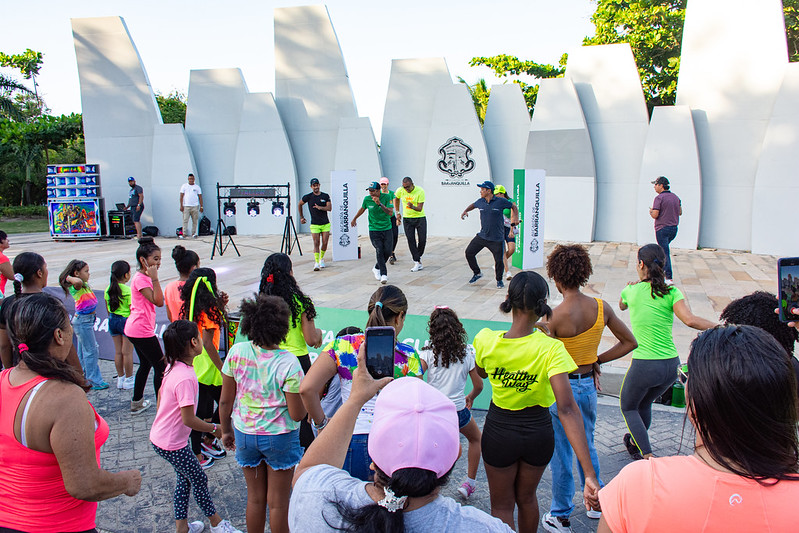
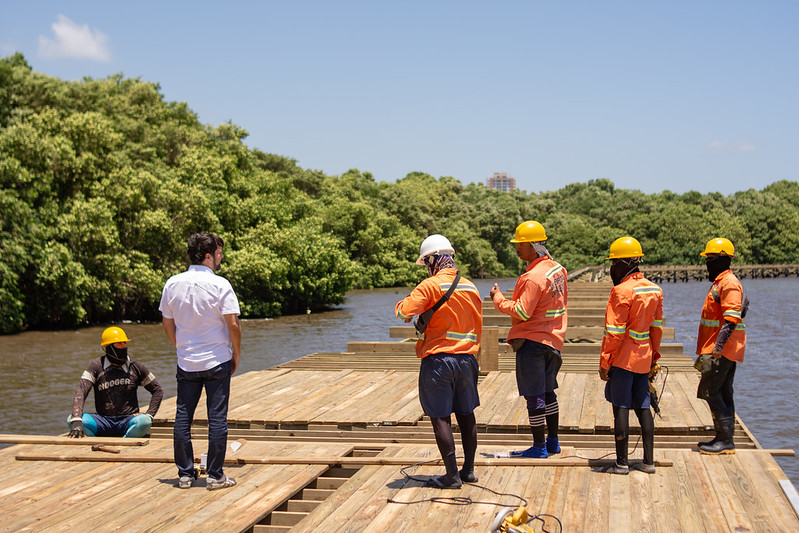
City planning has been reshaped, with Barranquilla launching a long-term plan for the next 80 years (“Barranquilla 2100”), where the recovery of public spaces is an instrument of urban and social transformation.
Todos al Parque today reaches all neighborhoods in the city. Based on the model, Barranquilla became Colombia’s first “BiodiverCity” and founded a network of 8 South American cities to share best practices.
There is no prior existing relationship between the project and WRI. For full disclosure, please visit here.
By The Numbers
93% of households with green public space within 8-minute walk
202 parks regenerated
48 new parks built
1,453,620m2 of public space recovered
188 neighborhoods included, complete citywide coverage
4,305 trees planted